Thursday, April 20, 2006

a few pics

From Wanganui we headed north along the west coast, spending a few days in the vicinity of Mt. Taranaki. Then east to Rotorua, where we met up with some friends and hung out at a salsa festival. The past few days we've been just north of Rotorua on the coast, in the small sea-side town of Whakatane. Here we've been soaking up the sun, hanging on the beach and abusing the hospitality of some friends we met in Wellington.

A few photos of our travels:


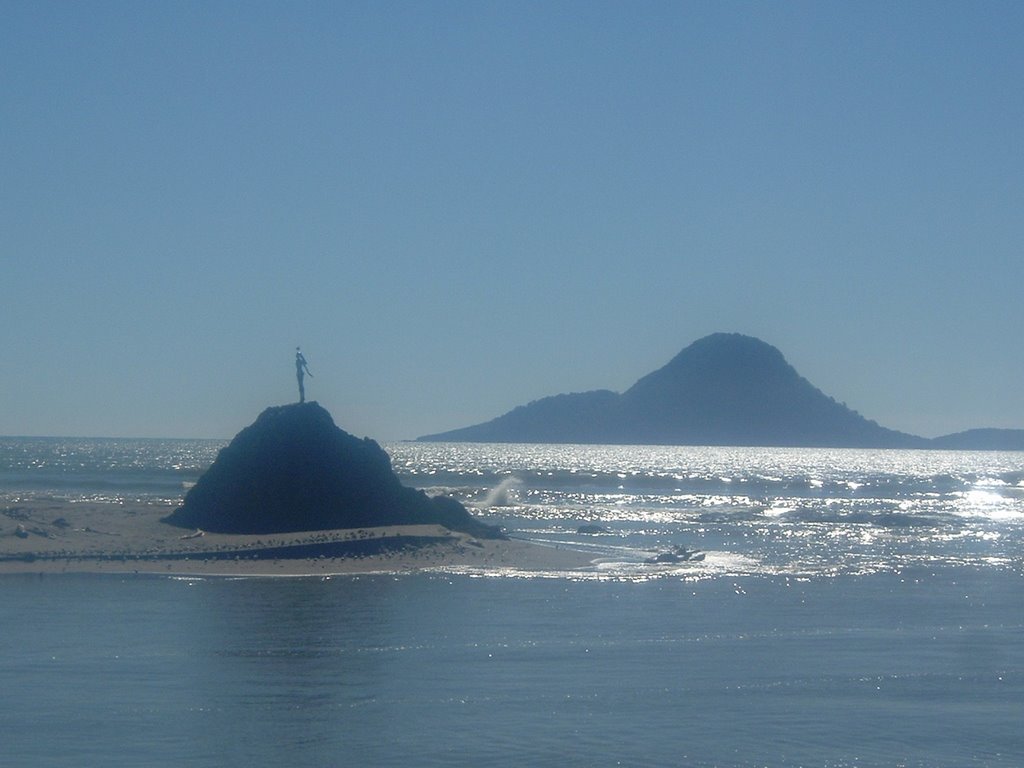
Statue at the mouth of the Whakatane River.


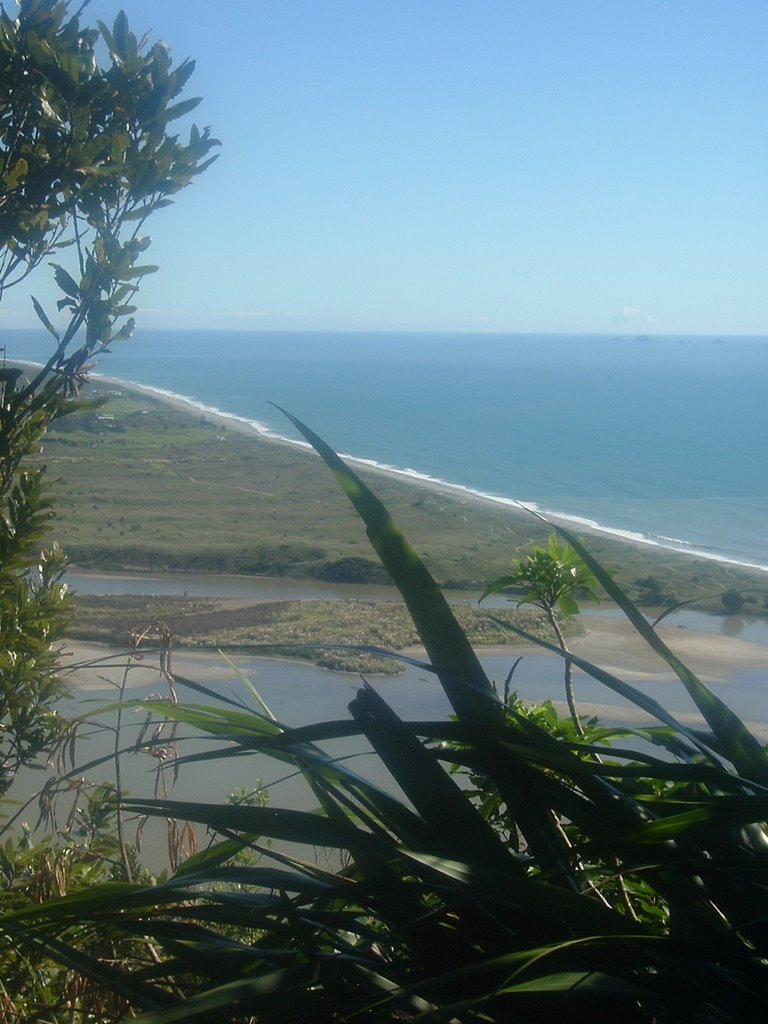
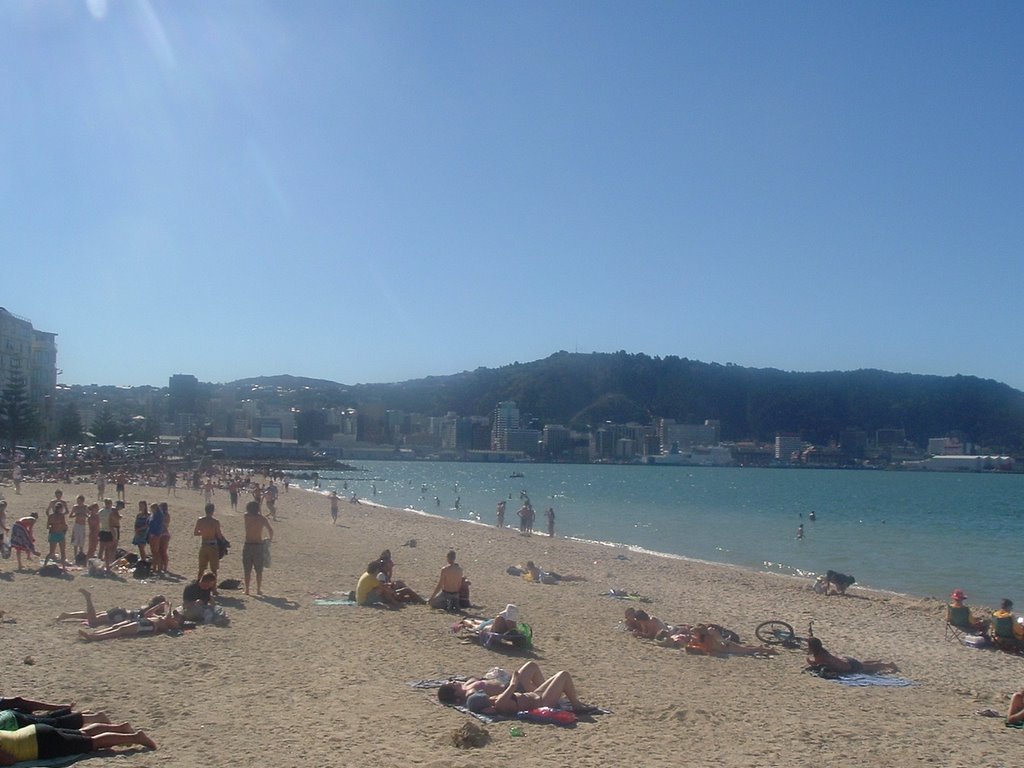
View of the beach by Whakatane, and a sliver of the Whakatane River just above its mouth.

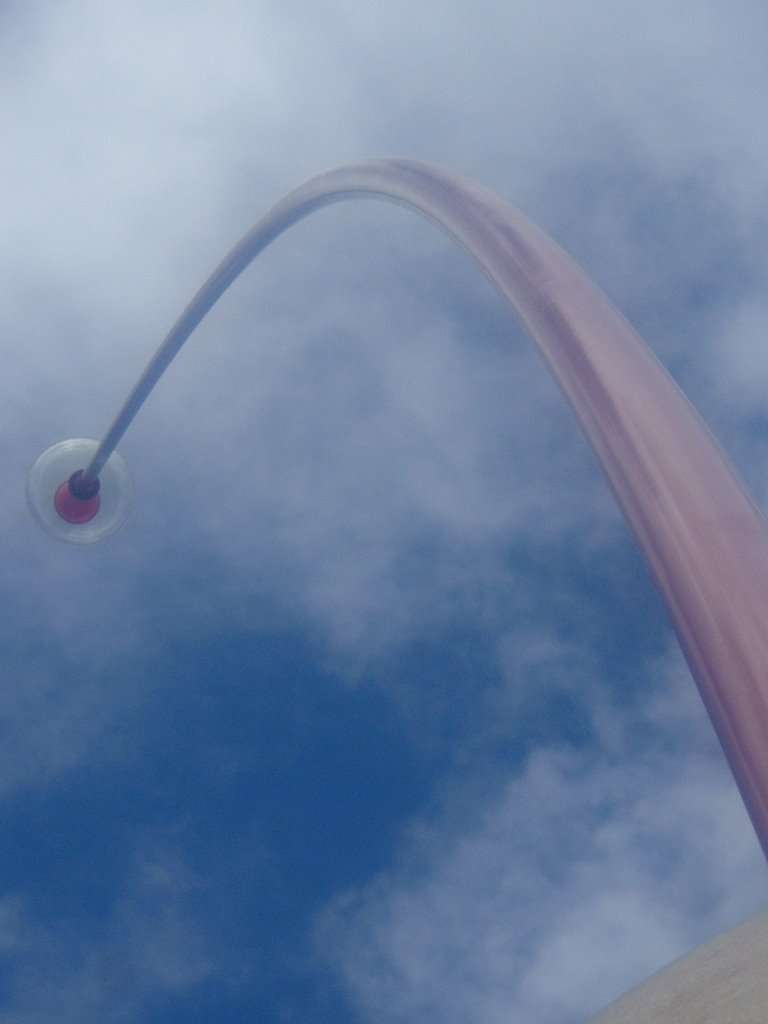
The wind wand in New Plymouth, a beach-front art installation.


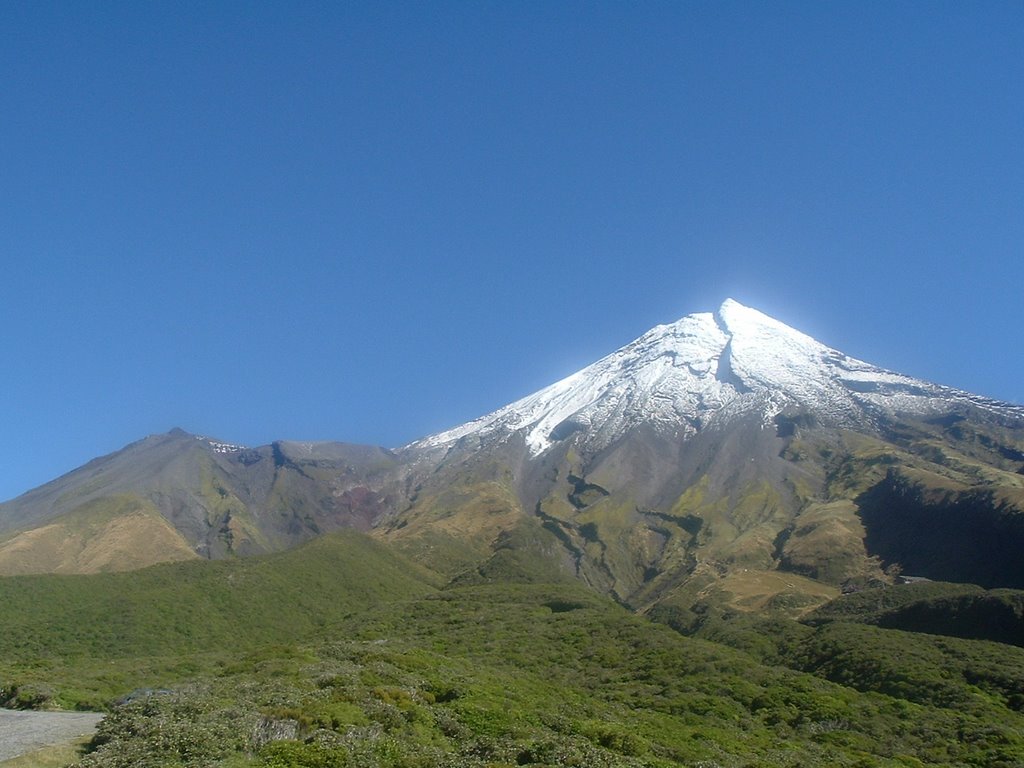
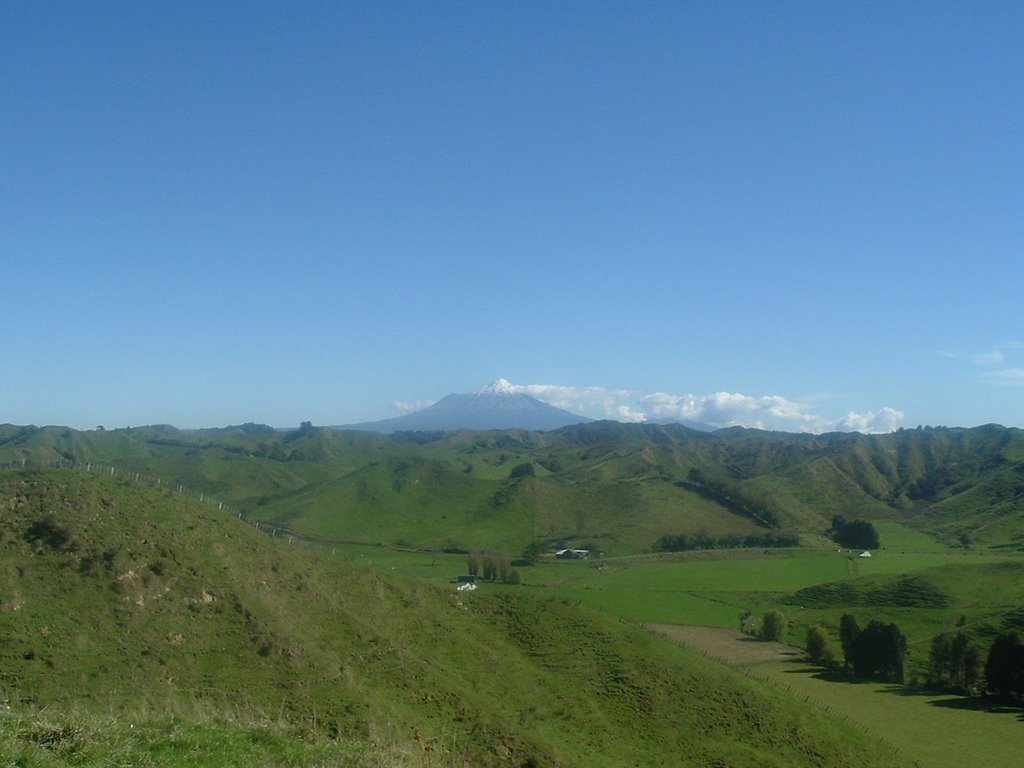
Our view of Mt. Taranaki the last day we were in the area.

And a little bit down the road.

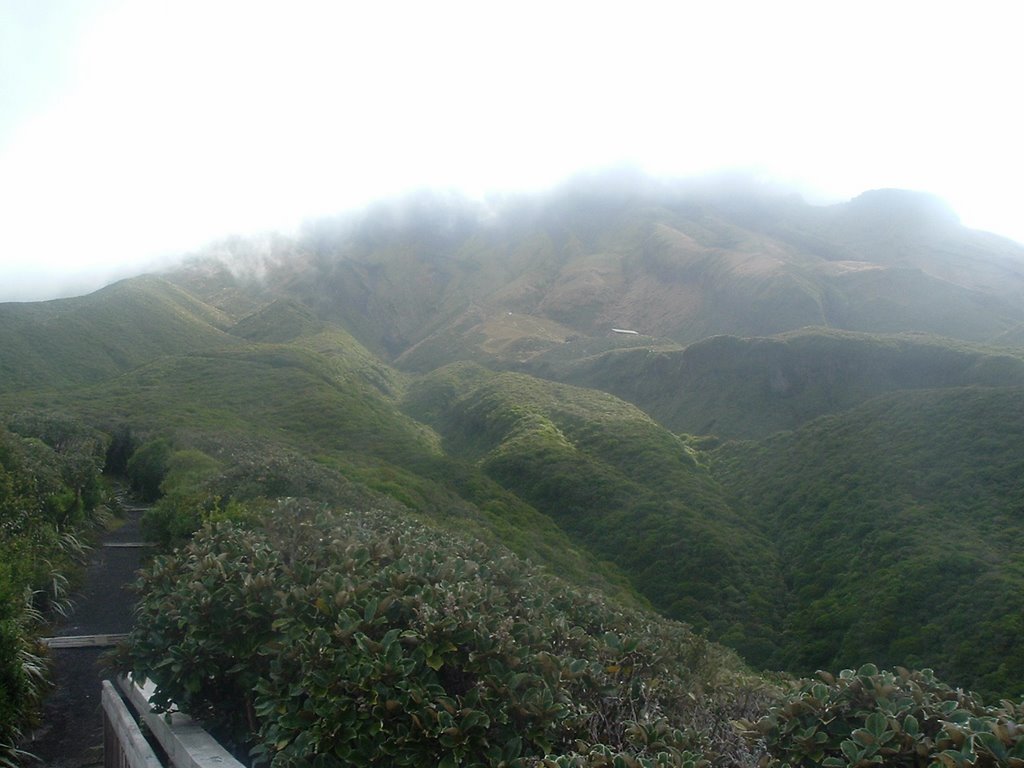
Our view the first three days we were there.

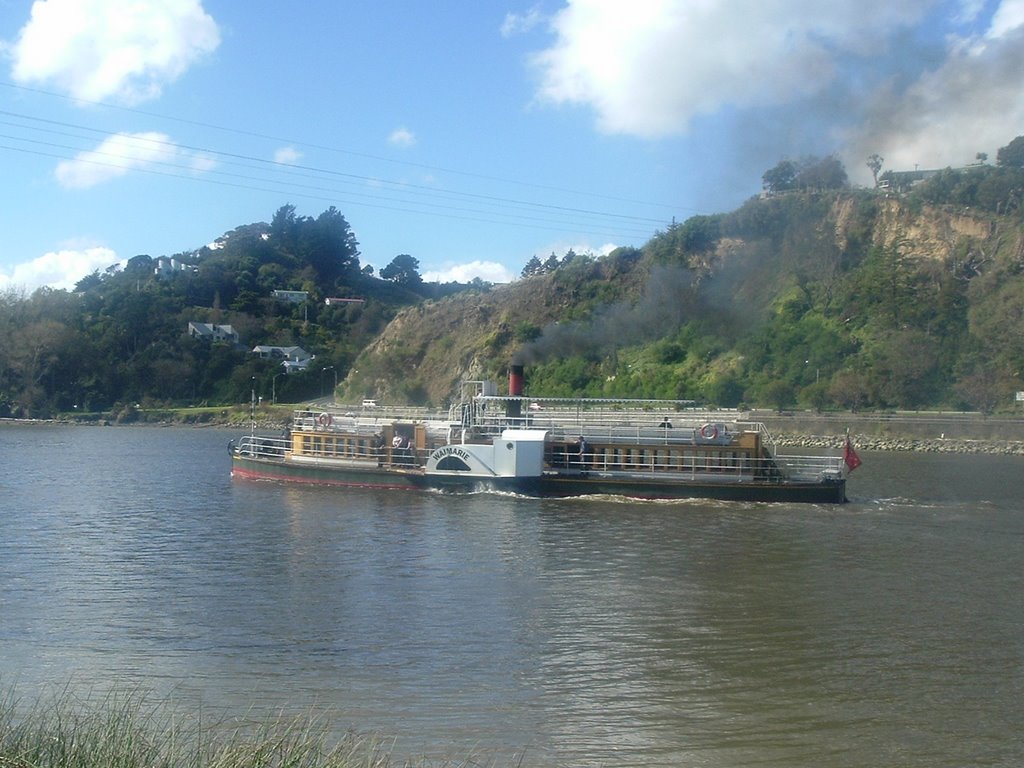
A restored riverboat on the Whanganui River.


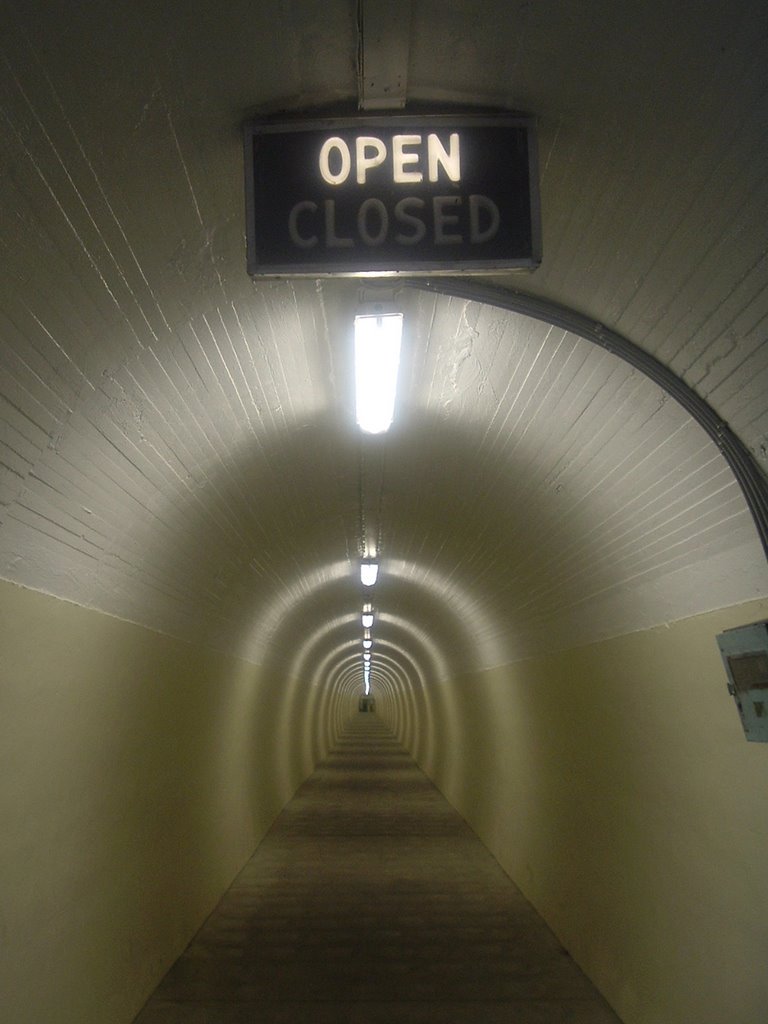
The tunnel to the Wanganui elevator. The elevator is a commuter elevator; the shaft runs through a hill from town to a suburb above.

the real reason we went to Wanganui


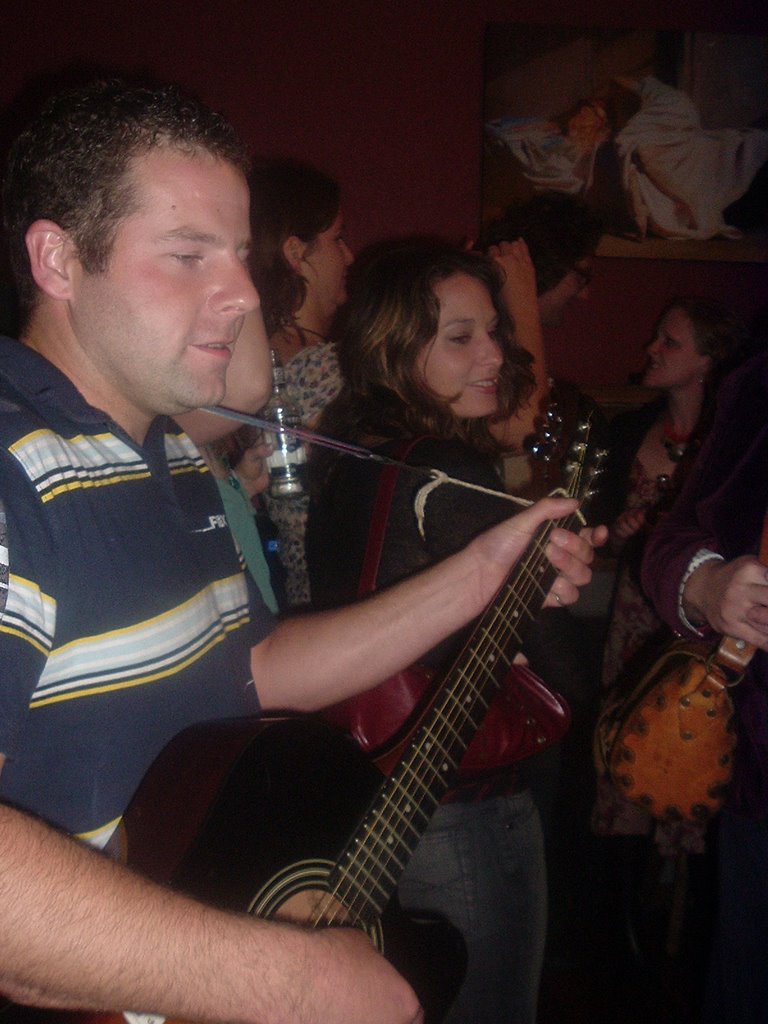
Our friend Paul, everyone. An Irish troubadour.

Monday, April 10, 2006

step one

Started our wandering lifestyle with a visit to a former roommate in Wanganui. In a nice coincidence, our arrival was the same weekend as a house party among his friends in this town (who we met before).
It wasn't all parties - we did get out and about in this river town. Drove up the road for a walk along the ridge tops looking down on the river. Took the underground elevator up to the tower overlooking the city. Watched the sunset from the beach at the river's mouth. Walked around a local park and aviary.
Wanganui is a city of about 40,000 on the lower west coast of the North Island, next to the mouth of the country's longest river - the Whanganui (the city and town have the same Maori name, but there are different ideas on how the word should be spelled). It's not much of a tourist city, but it has a decent feel and has an above-average population of artist types. Not a bad place to start out, although the weather has been rough. Patches of sunshine interrupted by violent bursts of rain.

Not sure where we'll head next, although north along the West Coast is the short-term plan. The North Island is shaped a bit like a four-pointed star, with the northern point stretched longer than the others. We've lived at the bottom of the south point, in Wellington. Now we're headed to the west point and Mount Taranaki. Eventually we'll head for the tip of the north point, where I hope there will be sunshine, and I know there are beaches. I'm clinging to the last remnants of summer.

Tuesday, April 04, 2006

one more day

We're staying in Wellington at least one more day before setting off on a road trip around the North Island (and eventually heading to the South Island, if our current plan holds). We've moved out of our apartment, packed almost everything we own in the car and are just trying to tie up as many loose ends as we can (as well as perhaps one more night out with the friends we have here).
We've lived in Wellington for about seven months, almost the entire time we've been in New Zealand. I remember the morning we landed in Auckland, getting in at about 5 a.m. after a 12-hour flight, the jet-lag and early-morning, low-lying fog combined to give NZ an eerie, surreal appearance. The atmosphere amplified the veneer of strangeness everywhere is covered in the first time you see it. Now, however, the strangeness is gone, replaced by the familiar. We've been nearly everywhere in New Zealand, at least driven by the general area. I know how to say the placenames. I know the street grid, and I know what businesses are where. I know where the bars are, where the restaurants are, where the little shops are. I can remember what it was like when the city was strange to me, but now it's like another place altogether.
The country as a whole has a bit of that feel, although once we're on the road we'll feel like travellers again, and we'll be in places unfamiliar enough to explore.
It's a feeling anyone who's moved anywhere knows - eventually a new place is an old place, even if it's New Zealand (or South Korea - sorry Stephen, I started this post after I read yours, but didn't mean for it to be such a blatant ripoff).
As the newness wore off in Wellington, the familiarity brought with it a growing set of friends. It'll be good to dip back into the traveling world of the new and unfamiliar, but it'll be tough to dip back into the traveling world of no friends to call upon.

Cape Palliser

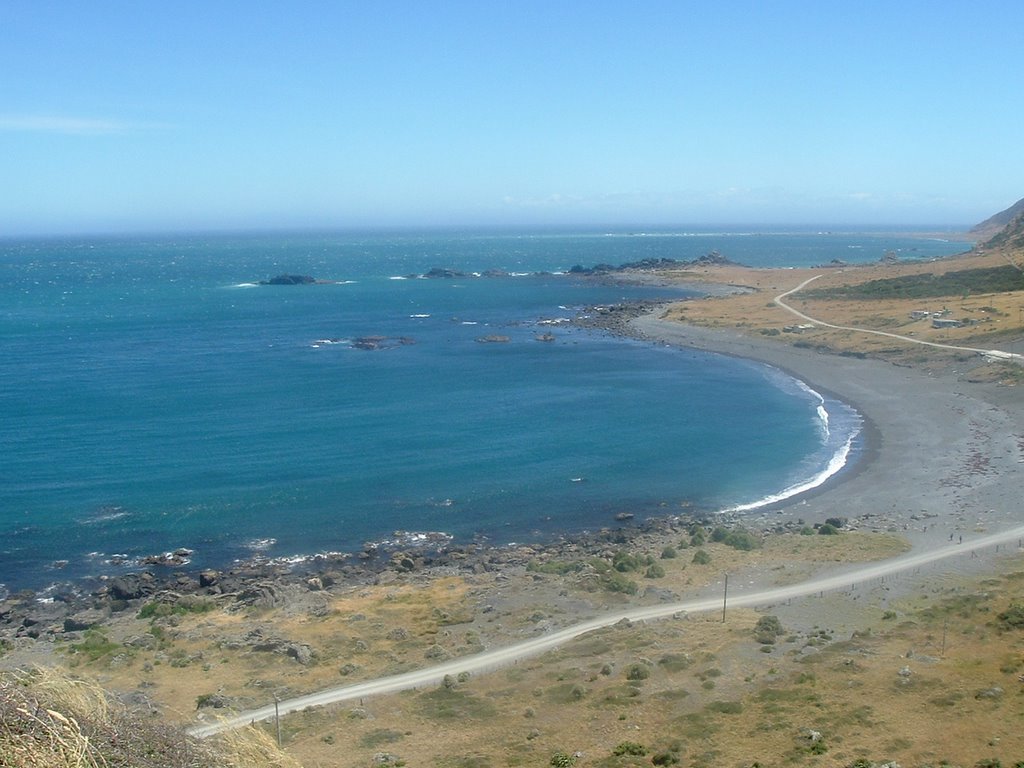
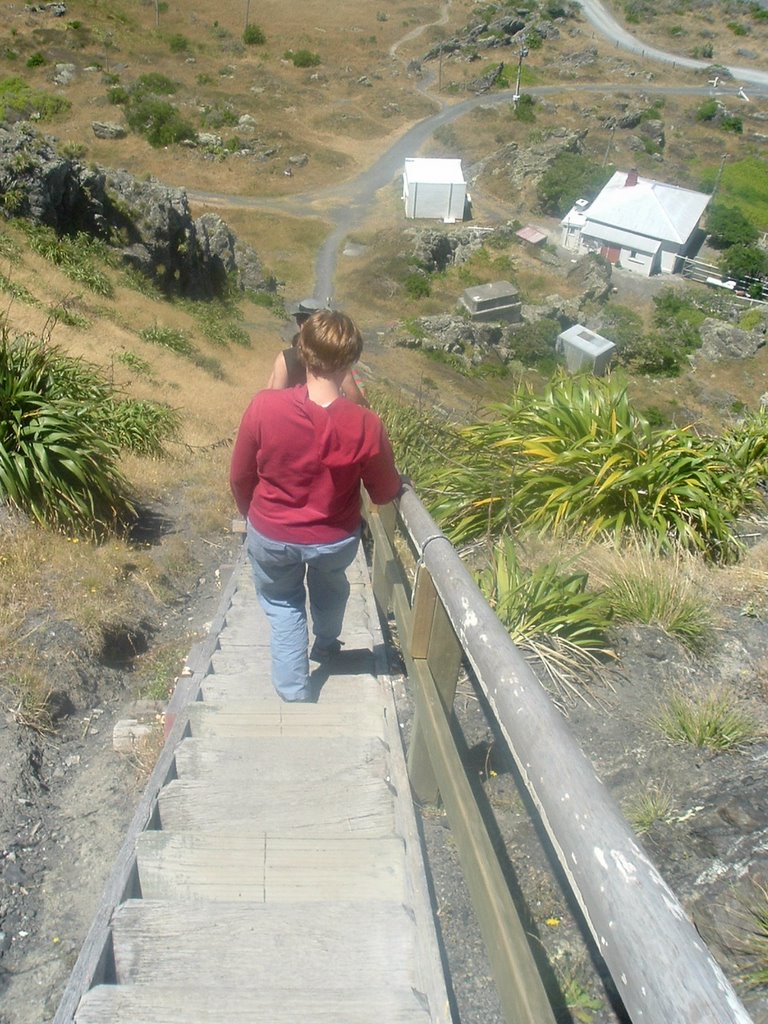
Another few photos dug out of my computer. These are from a weekend day trip we took from Wellington to Cape Palliser. The cape is just a few miles east of Wellington on the south coast of the North Island (and is the southern-most point on the island) but it takes a much longer drive over a mountain pass to get there.
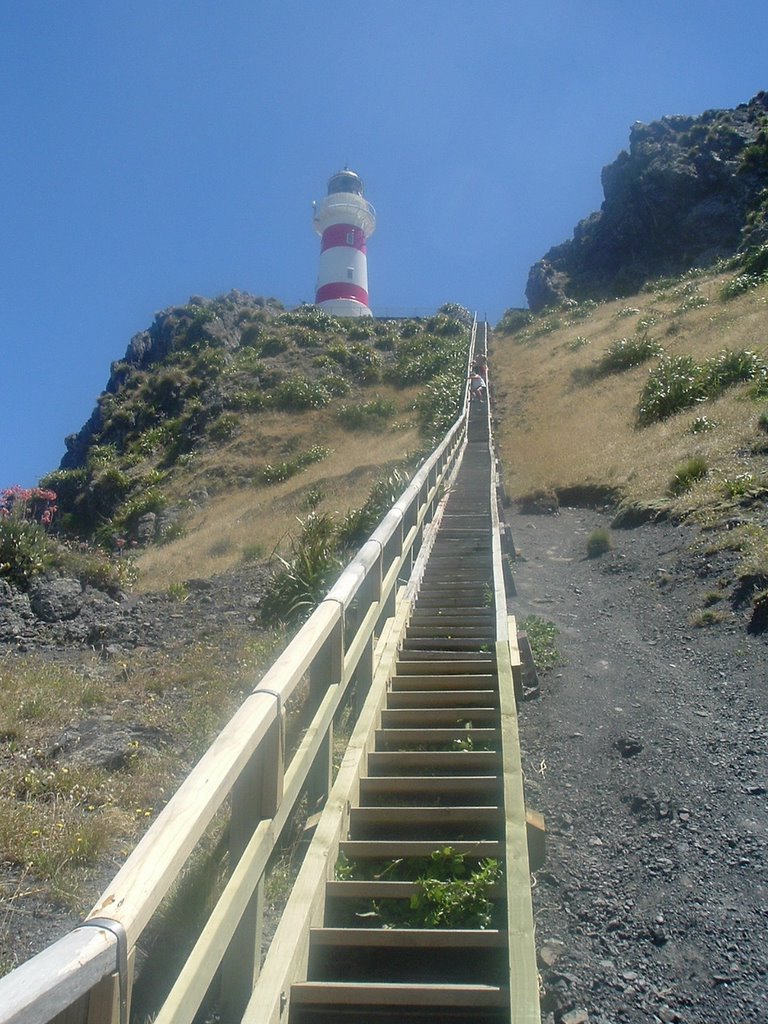
We followed the coast to the Cape Palliser lighthouse and seal colony. The day featured high winds coming from the opposite side of the hill from this staircase. It made the climb up the 250 steps calm, but the first thing felt upon reaching the top was a gust causing your brain to fear its hold on the platform.

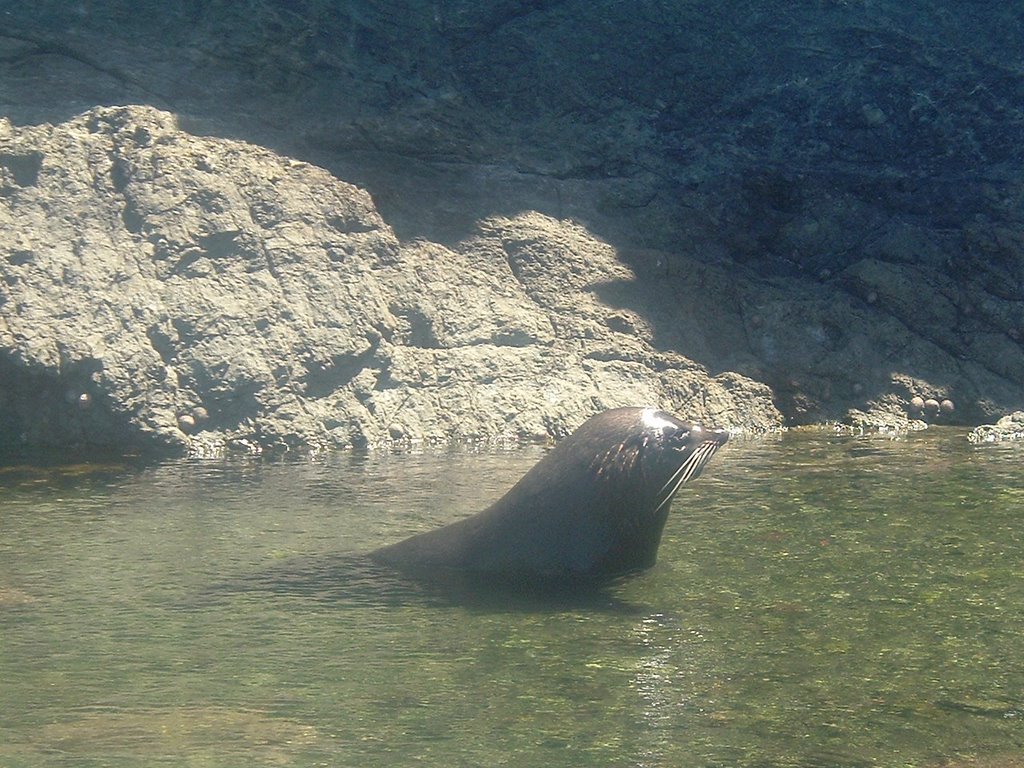
Underneath the lighthouse platform was a rocky outcrop housing a seal colony. It's far from the first seal colony I've visited here, but it is the closest I've been to a seal - there were several large seals on the rocks right near the access point, and as we climbed around the rocks we got within 10 feet of a few of them.
The seals mostly ignored us and the other tourists, although a few raised their head and growled at people who wandered to close. Since being in New Zealand, I've been warned a number of times about the dangers of seals, mostly if they are being antagonized or if you happen to wander between them and their direct route to the sea. So I didn't do those things. I did, however, almost step on a small seal pup that was hidden among the rocks.

Monday, April 03, 2006

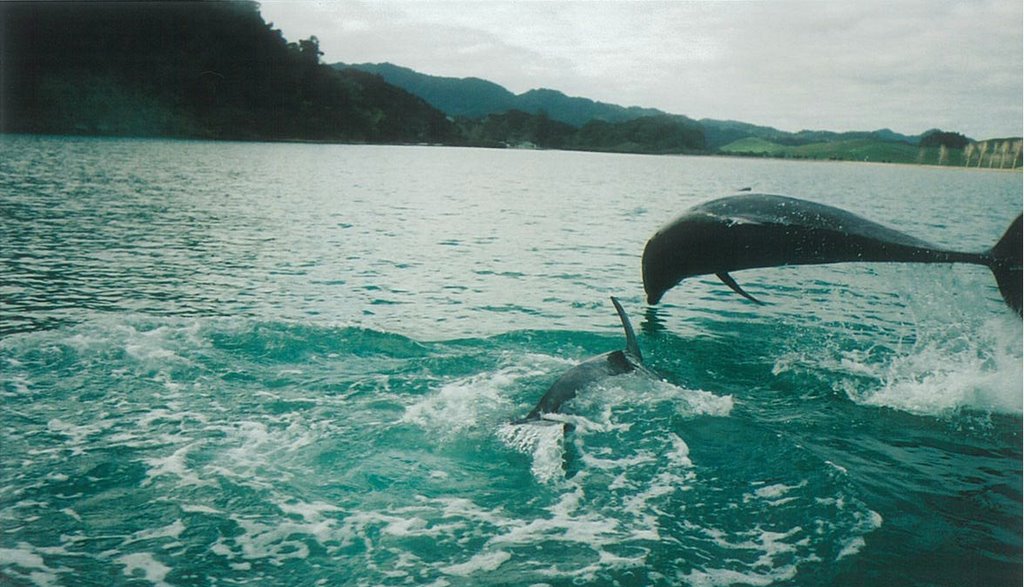
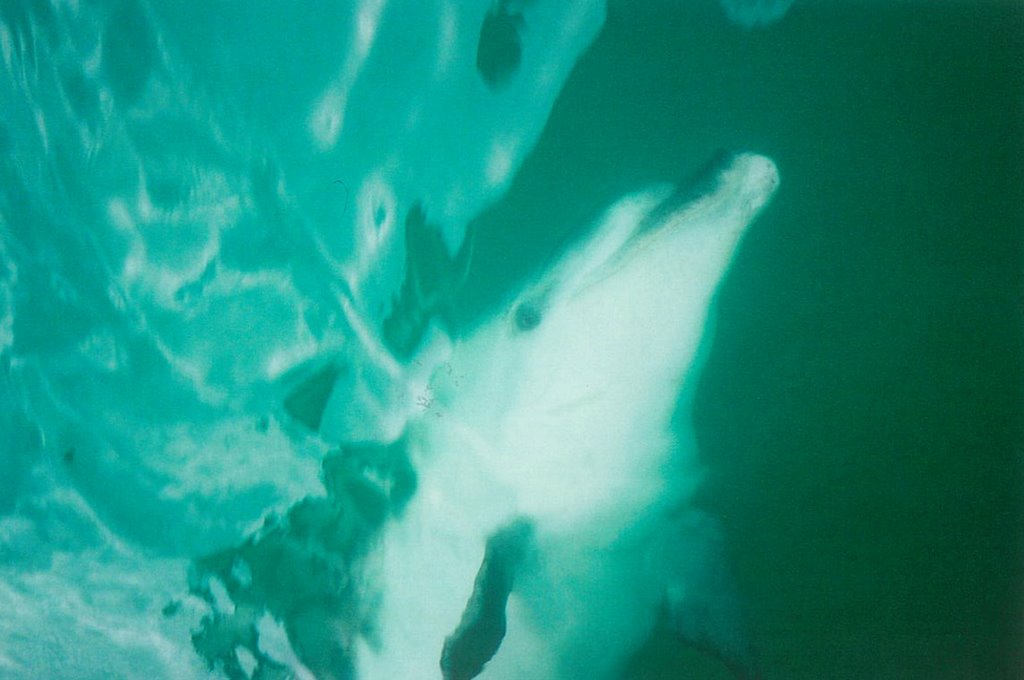
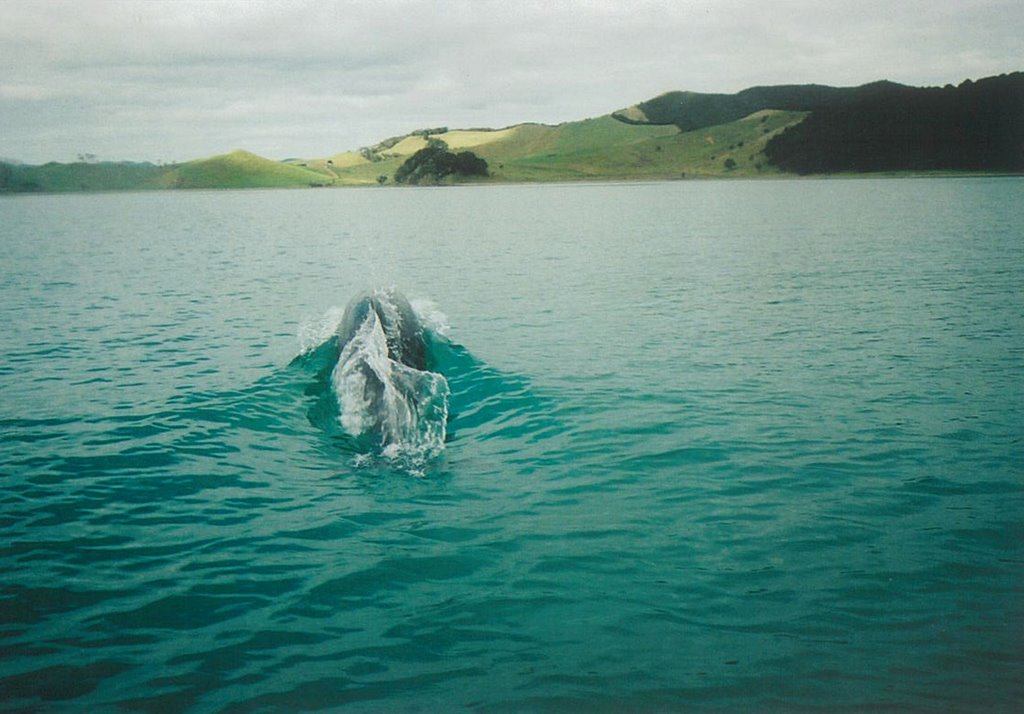
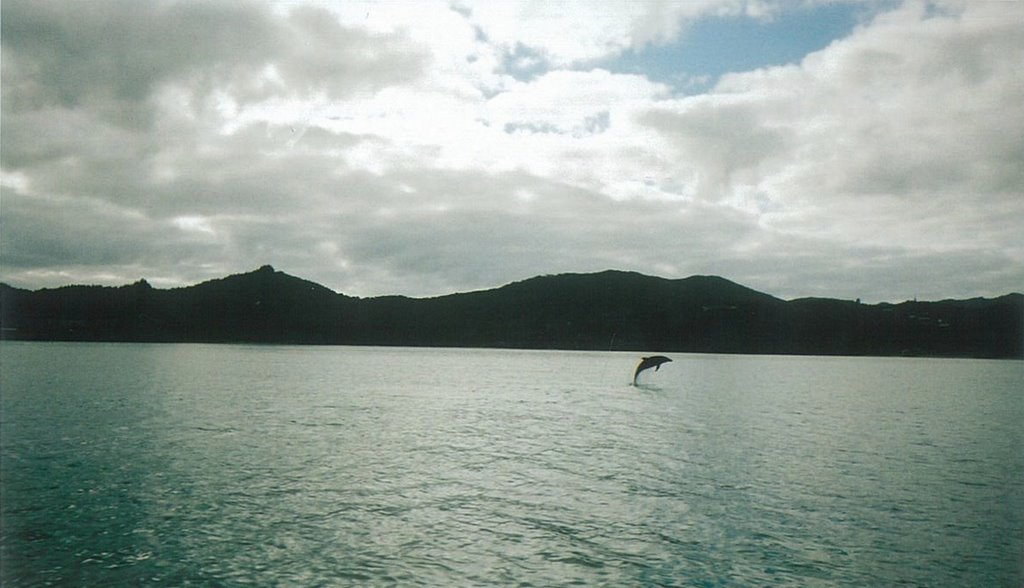
dolphins

Photos from our first weekend in New Zealand, but which were on a film camera and have just now been scanned:


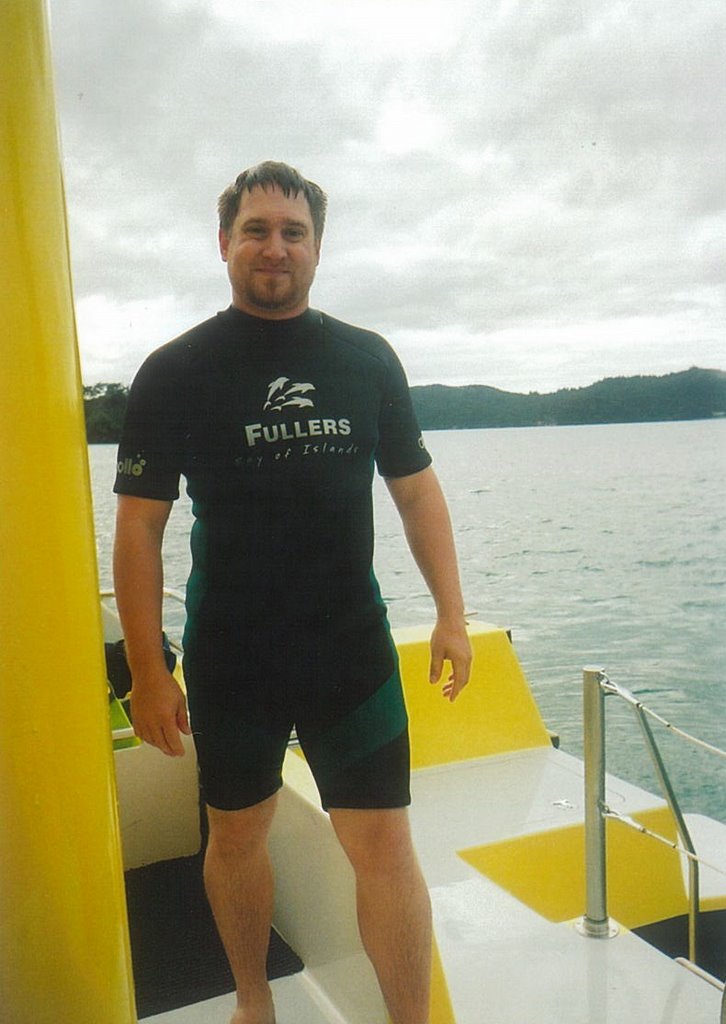
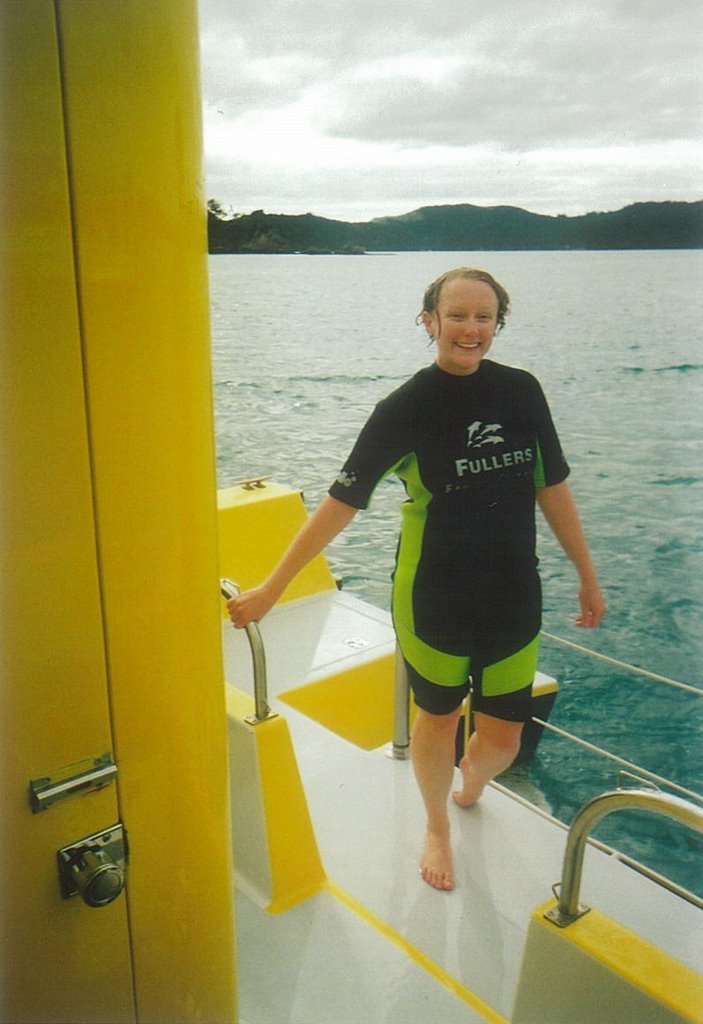
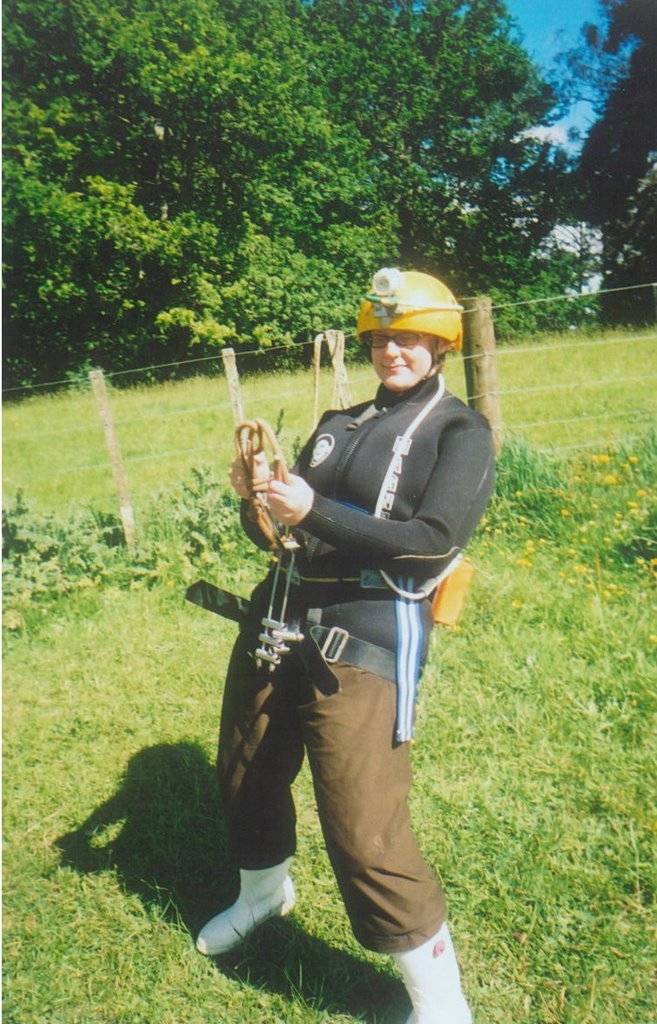
wetsuits


Sorting through some old photos before I pack up the computer for the next month or so:

These photos have one thing, and one thing only, in common: they document the three times so far we've paid for an activity that included wearing a wetsuit.
1) Swimming with dolphins in the Bay of Islands.
2) Inner-tube rafting through a glow-worm cave
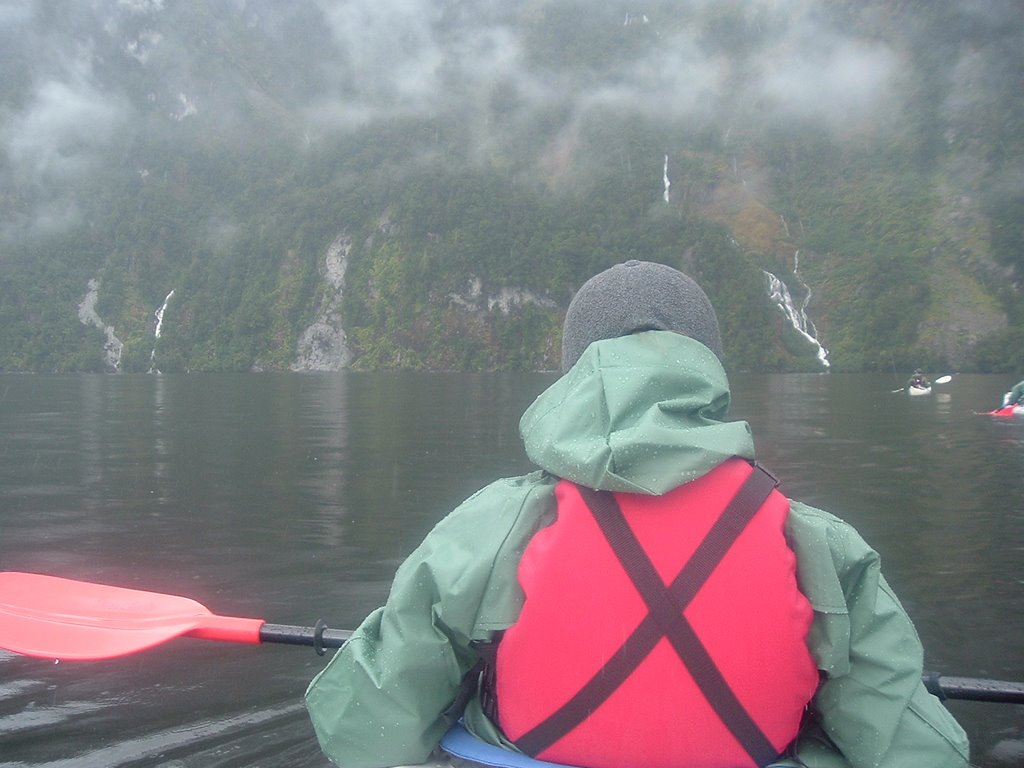
3) Sea kayaking in a downpour in Fiordland's Doubtful Sound.

The reason I bring this up is the third activity, in the list and in chronological order, was the only one to give us a dry wetsuit. This is a small thing, but it was noteworthy enough for us to tell our kayaking guide, who asked us to pass the detail along to others.
And now it is passed.

Sunday, April 02, 2006

mmm...

One of the easiest ways to amaze New Zealanders is to talk about American food. They have an idea that Americans constantly practice a crazed gluttony, and they're probably right.
New Zealanders harbor the suspician that American order food and it's dished up in portions big enough to require a forklift. This suspician is highest in people who have actually been to the States.
There's good reason. A large Domino's pizza here is the size of a medium in the States - possibly a little smaller. A large Coke at McDonalds here is about the same as a child-size in the States. New Zealanders can't comprehend the reason Americans are served such things (and to be honest, I'm not sure anyone can, really.)
And when I start talking about things such as fried turkey, or stuffed, deep-fried burgers, or my Atlanta friend's favorite, the hamdog (and its cousin, a burger encased by Krispy Kreme donuts instead of a bun) the Kiwi expression turns from one of incredulous to indignation to just trying to keep their head from exploding.
Fun times. (And all this really makes me want a stretch here).

Thursday, March 30, 2006

our new ride

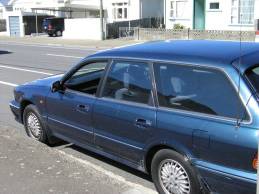
Two days left in our Wellington apartment. We're readying for a long road trip - got a car and everything. A car big enough to live in (for short periods, at least) which we're planning on doing. It's big enough a foam mattress fits in the back with the seats folded down. We have a camping stove, sleeping bags, a tent and we're headed North.

That's our whole plan, at this point. Head North - then head South.

Friday, March 17, 2006

saved by the 'net

I haven't made any real effort to follow American sports on a day-to-day basis over here, but I have tried to find ways to watch the big events. The World Series and the Super Bowl were on TV here, on days I was able to watch.
The NCAA Tournament was a little trickier. This is one of my favorite days - I remember filling out brackets and competing against my brother when I was in grade school. When I was in college, I used to cut class to watch as many first-round games as I could. I had the chance to watch a regional live when I was covering the University of Missouri a season the Tigers earned a berth. Last year, I got paid to sit around in sports bars all day and write about watching every game played on the opening day.
Over here, the games started at about 6 a.m. and only one of the earliest games was broadcast, on cable TV (which I don't have). I also had to work. That was a good thing - I spent most of the day poaching the company's bandwidth to watch the games online.
The first year the NCAA streamed video of all the games live came at the perfect time. I watched Montana win its first tournament game in my lifetime, and then Gonzaga pull out a late win against Xavier. Also bits and pieces of just about every game played.
It wasn't quite a packed sports bar or watching with a group of friends, but it was something. And just what I wanted.

Sunday, March 12, 2006

leaping again

We've spent almost all our time in Wellington since we arrived in New Zealand to start this working holiday back in August. Now it's almost time to try somewhere else.
I've liked living in Wellington, which has a good nightlife scene, interesting landscape and far more events than a city of barely 400,000 would have in most other countries. We've also gained a circle of friends here.
Originally, we didn't know how long we'd be in Wellington. Both Kirsten and I picked up temp office jobs most of the time to earn some money, and she ended up with a contract through March. Now we both have jobs to the end of March, when we'll pick up and travel North, seeing the rest of the North Island before heading South. Don't know what we'll do in terms of jobs or where we'll end up, but I'll keep you posted.

Sunday, March 05, 2006

The Kiwi is the most-recognized icon of New Zealand around the world. But the real national icon is be the Koru.
The Koru is a stylized representation of an unfurled fern frond. It's usually said to represent rebirth or new beginnings.
Kiwis are everywhere in tourist shops, blaring out "New Zealand" on just about anything anyone would want to buy. The Koru swirl is found in more subtle surroundings, incorporated into logos and decorations, or just used for its aesthetic appeal.
It's also found in tourist shops, as one of the favorite themes for bone or greenstone carvings and jewelry. So it's for the tourists - it's still a more appealing image than the Kiwi.


Fern picture from Virtualoceania.net; Greenstone necklace from Kiwitreasure.com

Tuesday, February 21, 2006

not really

The large, colorful sails dwarfed all the pleasure craft clustered on the edge of the race starting lane.
We watched from the top of a Wellington hill as the large, even majestic sailboats in the round-the-world Volvo Ocean Race left Wellington Sunday on their way to Brazil.
The course was kept clear until just after the start, when the mass of spectators in personal boats swarmed toward the racing sailboats. From our vantage point, it looked like a bunch of baby ducks desperately trying to keep up to a group of matriarchs (if baby ducks were generally drunk, hard-sided and propelled by motors).

Friday, February 17, 2006

watching cricket

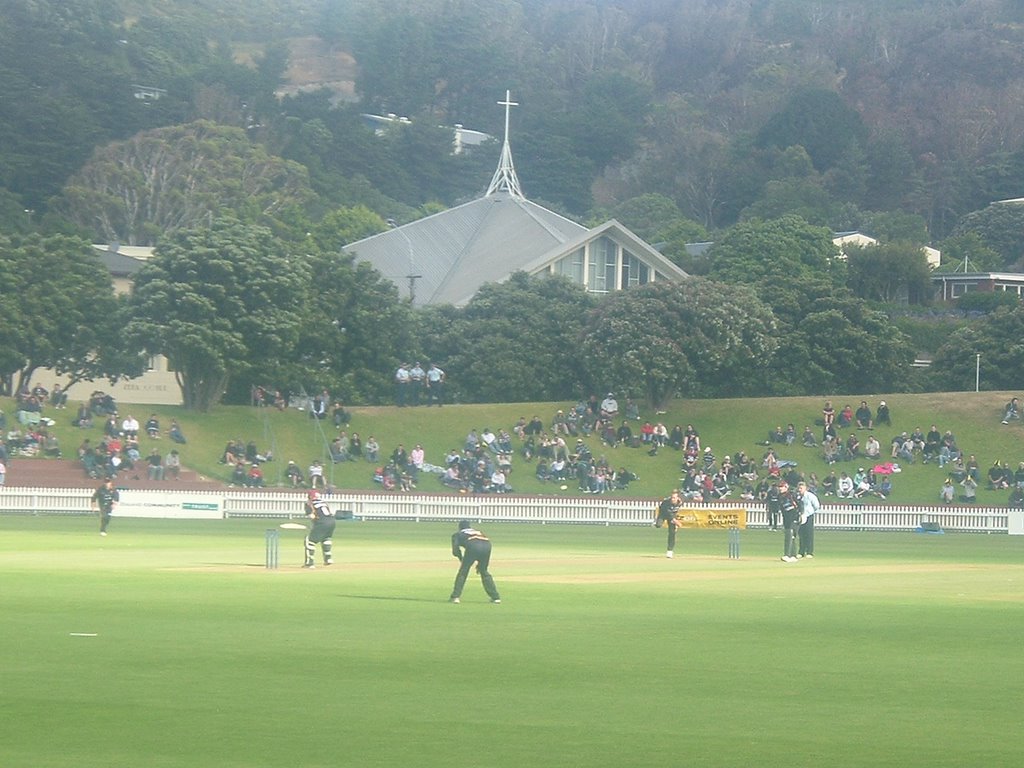
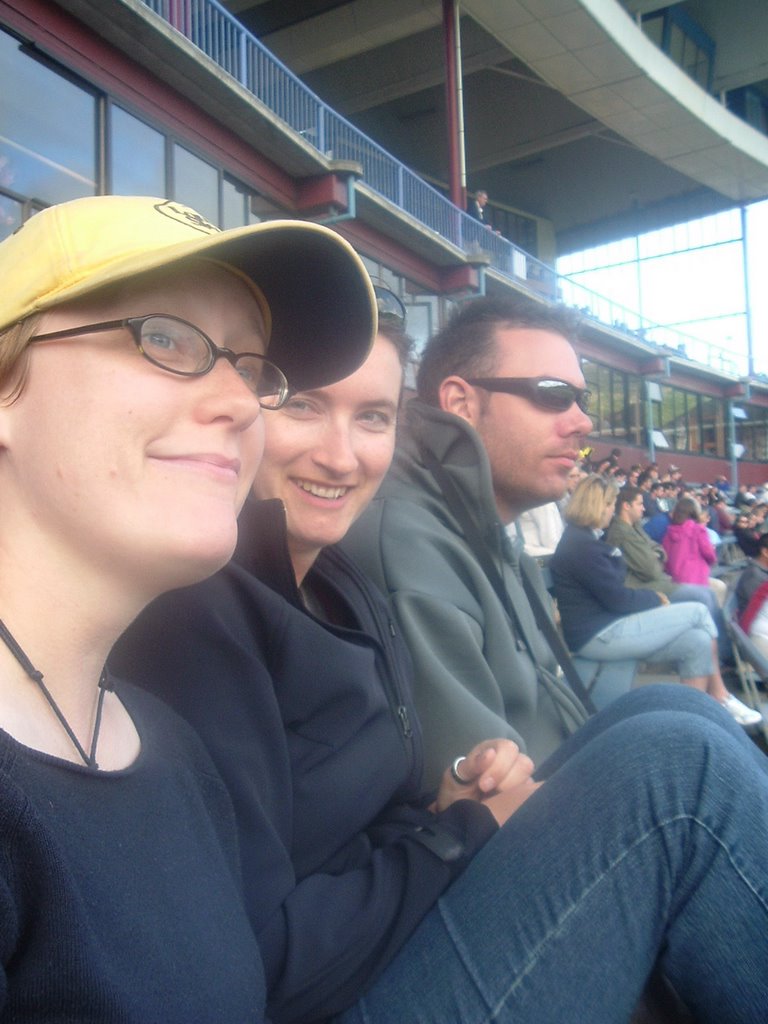
A few weeks back, we finally had a chance to watch a cricket game at Basin Reserve, the old ground a block from my house.
It seems cricket is trying desperately to figure out ways to stay relevant. Most of those ways involve playing different, shorter versions of the game. This game was a 20/20 match (each team bats for just 20 overs). What this means is that the whole game lasts about three hours, but as few as two players on each team ever get to bat.
It's probably a good idea, especially since a full test lasts five days, and even the one-day version of the game is 50 overs each team, which can last eight hours or so. But the real attraction of the day was the old stadium.
Basin Reserve is one of the oldest grounds in New Zealand. I don't remember hearing just how old it is, but about 100 years is probably a good guess. There are a couple sets of stands, but most of the seating is on a grass berm that circles the ground.
On non-game days, the stadium is always open - the walkway around the playing field is used as an extension of the sidewalk. On game days it has a pleasant, picnic-type atmosphere, with a game going on in the middle of it all.

Thursday, February 16, 2006

on the beach


Wellington natives are a little defensive about the weather in their city. It's easy to see why, since the town is known around New Zealand as "Windy Welly" and it lives up to the name. Even the city's official tourism brochure has a page devoted to the weather. Essentially, it says "The wind isn't really so bad. Oh, and we get sun here! As many sunny days as Auckland!" or some fact. What it doesn't mention is that it can be windy and sunny. For most of our time here, the sun has been a tease, mostly. After a week of gray, windy days, the sun would come out and the wind would cease. It felt like summer was coming, but the next day the wind and gray would be back.
Now that summer is here, the pattern hasn't entirely ended, but at least now there are two or three sunny days in between a day or two of crap weather. This gives us an opportunity to go to one of Wellington's beaches.
There aren't any huge, sweeping beaches around Wellington; most of the coastline is rocky cliffs. But there are a few natural sand beaches. There's also this one, Oriental Bay. It's the most popular city beach, since it's right off of downtown. It's not natural, though. The sand is shipped in from somewhere - I think Australia.
I'll tell you what, though. On a sunny day in January or February, it hardly matters if the sand is real. I'm just happy being on a beach at all.

Sunday, February 12, 2006

Friday, February 10, 2006

the other big game

The Super Bowl wasn't the most important sporting event locally last weekend.
Not even close.
The most important even here was a sport you've never even heard of.
The Wellington Sevens - a two-day, international, seven-a-side rugby tournament - took top billing. It wasn't on the strength of the competition, although the game is fast enough for even
the most ADD-addled spectator.
Instead, the Sevens are a crazy social event, one of Wellington's biggest parties. People dress up to go to the games, they drink during the nine hours of play each day, then they go out on the town and drink some more. It's kind of a mini-Mardi Gras here, with all of the drunkenness but not nearly as much of the nudity.
When tickets to the Sevens went on sale before Christmas, the 30,000-seat stadium sold out in less than an hour. (This is not to say 30,000 seats were sold that fast - it was reported less than a third of the tickets were up for grabs by the general public, with the rest going to rugby officials, business partners, and the like.)
No one bought tickets to watch the games. I've never been to an sporting event where the game mattered less. The games go so fast, most of the time the majority of the stadium has no idea who's playing. Hell, most of the time the majority of the stadium has no view of the field - most fans are in the concourses waiting to buy beer, showing off their costume, or checking out others' costumes.
One fellow North American here asked if the experience was anything like tailgating.
No.
For one, this was all happening inside the stadium.
But the biggest difference is this: people come to the stadium for tailgate parties because they know a crowd is going to show up to watch football. People come to watch the Sevens because they know a crowd is going to show up to party. Tailgating sprung up around a popular sporting event; somehow, the party seems to have come first for the Sevens.
The sport itself seems tailor-made for the States (and there was a U.S.A. team here, which was the worst team in the tournament) so it's a too bad no one has ever heard if it over there. And they are playing this weekend in L.A., but I can't imagine more than a couple hundred people are watching.
It's played on a normal size rugby field, but with half the people (normal rugby is 15 a side). Games are split into two seven-minute halves, with a short halftime and break between each game. This, more than anything, is why it would be perfect for America, since it's already broken up into neat commercial breaks.
It's fast-paced and intense. And no one was watching.
Admittedly, I was only there on the first day, when the 16 teams were playing round-robin rounds in preparation for the Saturday's knock-out rounds. And admittedly, the late parts of the day are pretty hazy in my memory.
But I'm pretty sure I had fun.

Monday, February 06, 2006

one in a billion

About five minutes into the broadcast of the Super Bowl Monday afternoon, it dawned on us.
There would be no Commercials.
The game was televised live in New Zealand, no problem. Apparently the game is televised live everywhere, because I heard about the "billion" people who were watching. I was one of them, watching with a small group of displaced Americans and New Zealanders.
On south Pacific ESPN the Super Bowl has a few differences. It's not easy to tell exactly what they are at first, other than the game kicking off around noon Monday (which conveniently happened to be a national holiday here). But after a while, it begins to dawn on you.
Watching on the International feed, the Super Bowl is just a game of American football.
I didn't watch the same Super Bowl you did. I saw the same action, saw the same camera angles, saw the same graphics, saw the same close ups of Bill Cowher.
I didn't, however, hear the same announcers. I don't know who you heard, but I listed to Dick Stockton and Daryl Johnston. As they called the game, they were mindful of viewers who might not know the intricacies of the sport. I was told at least 15 times the yellow, computer-generated first-down line was "not official."
Both men tended to stop and interrupt themselves to explain the game and terms they used in the commentary. I can only imagine there was someone on the crew whose job it was to yell into Stockton and Johnson's ear every time they mentioned any football-exclusive term.
(Actually, this might not be a bad idea for the U.S. broadcast. There's probably just as many non-football fans watching there as anywhere else).
I didn't see the same commercials, the backbone of any Super Bowl viewing experience. I don't think I saw any commercials. Advertising breaks were filled by promos for other events carried by New Zealand's ESPN feed - apparently they think the World Baseball Classic will be a big deal. At other times, ESPN filled space with short commentary on the other football.
While you were watching the newest Budweiser commercials, I was watching an old bald guy with a Scottish accent sit in a studio in Bristol, Conn., answering e-mails from viewers in Australia asking about English soccer.
(I think when ESPN was looking for a soccer commentator, they started with a picture of Dick Vitale, and ended up with an old bald guy. It appears when the guy didn't talk with the energy and enthusiasm of Vitale, they just turned his hearing aid off so at least he'd talk as loud.)
I didn't see five hours of pre-game shows talking about the Super Bowl and showing all the ancillary events from the week in Detroit. I certainly didn't see or hear the weeks worth of pre-game analysis and feature stories leading up to the game.
And without all that, I didn't really see the Super Bowl, not as I would have seen it back home. I noticed the absence of all the hype and glitz, and I'm not sure if I missed it or not.
The Super Bowl as a game may be confusing to the International crowd, but it translates fine. The Super Bowl as An Event doesn't translate at all. That might be for the best.

or one in 93 million

I heard the New Zealand newscasters repeat the old line about "a billion" people watching the Super Bowl, and perhaps for the first time, thought about what that meant. I knew basically no one in New Zealand, including a good portion of the Americans, cared one way or the other and were unlikely to watch. I didn't figure most other countries were any different.
Then I found an article that spelled out the problems with this whole idea much better than I can.

Wednesday, February 01, 2006

on the weekend

All of a sudden, summer weather is here and the city has decided to
throw a party every weekend.
Two weeks ago, Wellington hosted the X-Air fest, a free outdoor
extreme sports festival. Temporary indoor and outdoor bicycle,
motorcycle and skateboard ramps and courses were set up, along with a
stage for the free bands and tents for the not-so-free merchandise.
I hadn't seen a crowd like that since coming to New Zealand. The
sidewalks and space between venues was packed, the lines for the
indoor venues stretched a few blocks. The events spread out over a
couple blocks and everything was happening at once, but it was
impossible to actually move from one place to another to actually see
what was going on. Still, we managed to take in a little something
from most of it.
By the end of the day, most of the events had wrapped up and the
crowd packed in even more along the waterfront, where a 40-foot ramp
was set up over the water. Bikers, skaters, rollerbladers took turns
getting airborne and making a splash. I missed the final trick of the
day, when one of the crowd members tried to replicate the feat off a
pedestrian bridge, and instead face planted into the sidewalk.
This past weekend I took my sunburn back out into brilliant sunshine
and another crowd. The Wellington Cup horse races are kind of a
1/10-scale model of what I assume the Kentucky Derby experience to be.
About 30,000 people were out at the course, most of the female
species dolled up in formal dress. (The side fashion show got nearly
as much coverage in the local paper as the race).
We had a bit of luck for my first horse race - one of the locals I've
met here works for the New Zealand Thoroughbred Board and got us comp
entrance to the course and the VIP areas. Mostly it felt a little
like the sports festival - there were a lot of different places to go
and things to see, but too much of a crowd to move about easily.
No luck betting, although we did back one horse late in the day that
nearly brought the final tally to even. Another horse that Kirsten
nearly backed ended up winning, paying out $125 per $1 bet - next
time I'll be throwing down a few bucks on some long-shot hunches.

As long as the sun holds, the next month and a half should be fun.
Every weekend until the end of March has some festival or free show
on. And if not, there's always the beach.
Enjoy your winter, all you up there. I'll bask in the summer here in
the Bizarro Hemisphere.

Wednesday, January 25, 2006

fake meat

I don't know why, but New Zealand loves really bad junk food in
meat-like flavors.
One of the first days after I arrived in this country, I just had to
try a product on the convenience store shelves, next to the potato
chips and Cheeto-like products. In one of the many mass-produced
bags, as advertised in giant orange letters, were "Burger Rings."
The product is vile. Think cheetos shaped like a circle, with a bit
of beef extract caked on.
But it's nothing compared to my next foray into the meat-flavored
snack genre. After trying to eat some chicken flavored chips, I
turned the bag over to read the ingredients.
The relevant entries: Artificial flavors (622, 624, 626) and Chicken Fat.
At least it's not all artificial.

Thursday, January 19, 2006

Not quite home again

This isn't quite where I grew up. In fact, it's on the other side of the world from where I grew up. It does, however, have the same name.
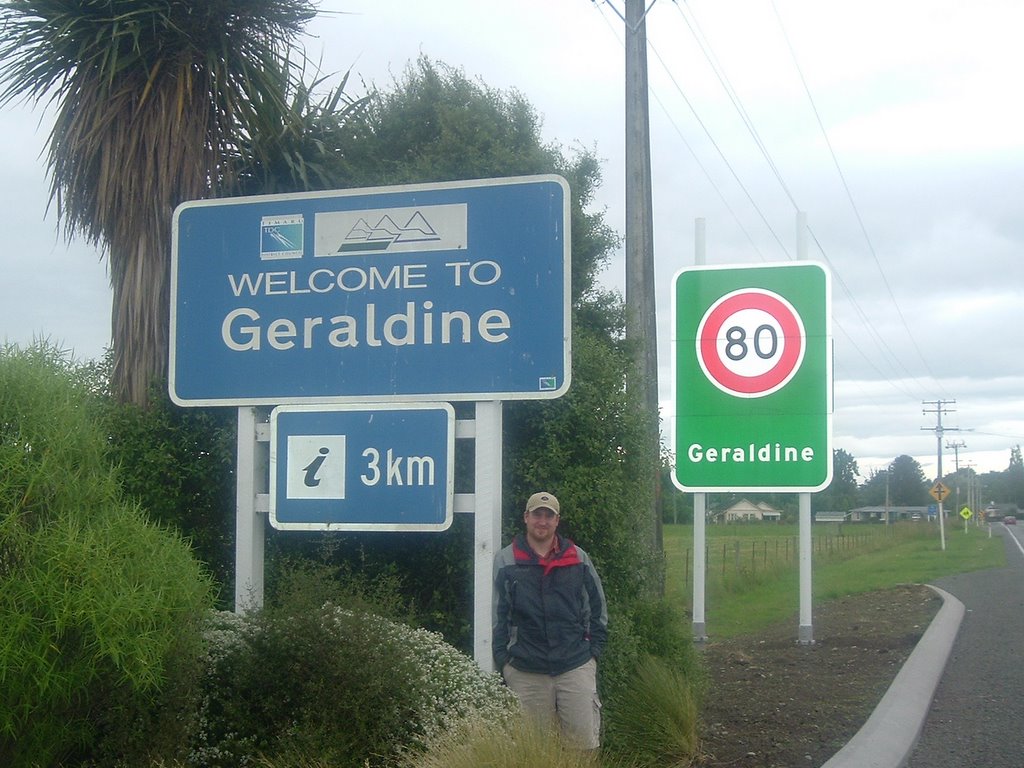
If you are one of the billions of people who are not from Geraldine, Montana, or Geraldine, New Zealand, you may not be interested. Even if you are, you may not be interested. Either way, I feel the need to post this picture.
(For those trying to follow along: I grew up in Geraldine, Montana, population a little less than 300. I drove through Geraldine, New Zealand, population about 2,500, and took a picture).

Wednesday, January 18, 2006

a new creation myth

The Maori have a myth about the creation of New Zealand that involves
an ancestor catching a giant fish, which then turns into the North
Island (to paraphrase the whole thing and butcher their cultural heritage).
On Sunday, four of us took a trip a few hours east of Wellington,
along the North Island's southern coast. The drive took us from
Wellington, across a heavily-ferned mountain pass, through green
sheep farming country. Nearer the coast, the landscape turned brown
and dry, with long grasses. As we drove along the coast, at times the
road was boardered by white cliffs. Other times, by black rocks
poking through the ocean. And these are just a few of the different scenes you can find in this
country.
My roommate Steph said she had a theory about the landscape changes:
She said when God was creating the world, as he sculpted the land of
each country, there was a small bit left over. When he finished with
all the world's regions - desert, mountains, rainforest, grasslands,
beaches, the whole bit - he took all those small leftover parts,
wadded them together, and threw them away. The clump of extra parts
landed in the ocean and broke into two pieces - New Zealand.
As we drive around this country, it's easy to believe this is the case.

(NOTE: the first paragraph has been reworded so I am no longer implying that the fish butchered the Maori's cultural heritage)

Sunday, January 15, 2006

Dec. 27

Surat Bay to Invercargill

More stops at the end of graveled roads. We walked across sheep pastures situated right off a beach, ending up at a hole in the earth with sea water crashing below. We walked on a boardwalk into marshland, and estuary deserted except for one shorebird picking his way along the mud.

We finally arrive in Invercargill, the southern-most city in New Zealand (with a population of about 50,000; city being a relative term).
Invercargill is the least-attractive city I've seen in New Zealand, and if it wasn't for the proximity to the Catlins and the further south Stewart Island, I'd advise avoiding it at all costs.
It reminds me more of the American midwest than anywhere else in NZ, an industrial town on a flat plain. Wide, empty streets lined with businesses that long ago lost any veneer of newness. Lonely litter blowing in the wind. It could just as easily been in central Kansas or Nebraska as in New Zealand.
We met a pair of college-age locals, back in town on holiday break. We talked about the state of their town, and one of them offered, "It used to be worse."
I decided that should be up on billboards as people drive into town.
Invercargill. It used to be worse.

Dec. 28-30

Invercargill to Stewart Island, and back

Invercargill did have two things going for it. One, the hostel was quite nice - a refurbished house, complete with two things I've rarely, if ever, seen anywhere else: free internet and a dishwasher.
Two, it was large enough to let us take the car in for a check while we prepared to head south to Stewart Island.

Stewart Island is the "third island" of New Zealand, but on the map is just a small chunk of land hanging just below the South Island.
The human population of the island is even smaller. There is one town, Oban, of about 300 people. There are no roads outside of the small town, and most of the island is a National Park.
What Stewart Island does have is a ton of birds and plants rarely found anywhere else. Although there are some introduced predators on Stewart Island, tiny islands just off shore have been cleared of the non-native mammals and are now bird sanctuaries.
We arrived late Wednesday after the one-hour ferry ride from Bluff (there is no regular car ferry, so I never learned exactly how the streets of Oban came to be full of parked cars). A few short walks on the outskirts of town and a stop at the town pub filled the rest of the evening.

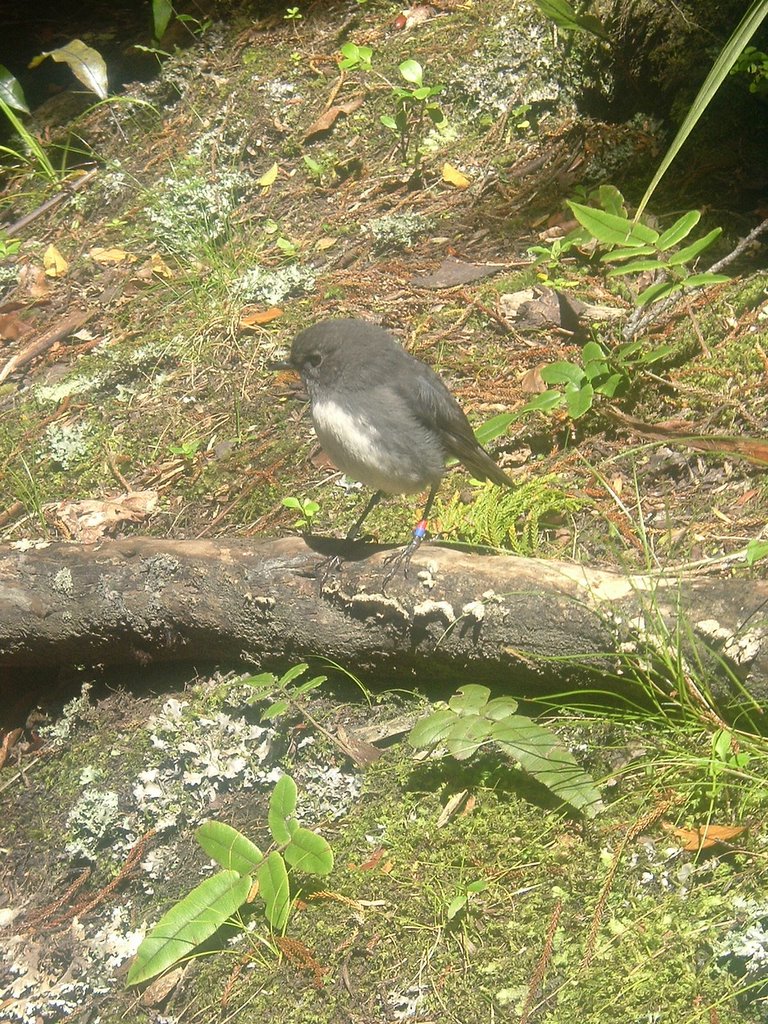
Thursday brought a water taxi ride and walk around Ulva Island, one of the main bird sanctuaries. The birds here were not shy, especially the flightless Weka, which gave the impression of small, brown and streamlined chickens. There were sightings of parrots, parakeets, and a multitude of songbirds in the five hours or so we walked about.

We had to wake early on Friday in order to get back to Invercargill in time to pick up our car, now with new front brake rotors and pads. Then came a long and nearly fruitless (but very necessary) search for a laundromat.

Dec. 31, 2005 - Jan. 1, 2006

Invercargill to Queenstown to Te Anau

My first thoughts of the New Year were: 2006's weather is crap.

One day, 2005 is ending in beautiful fashion. The weather was outstanding as we made our way north and into the mountains to Queenstown, the tourist capital of New Zealand.
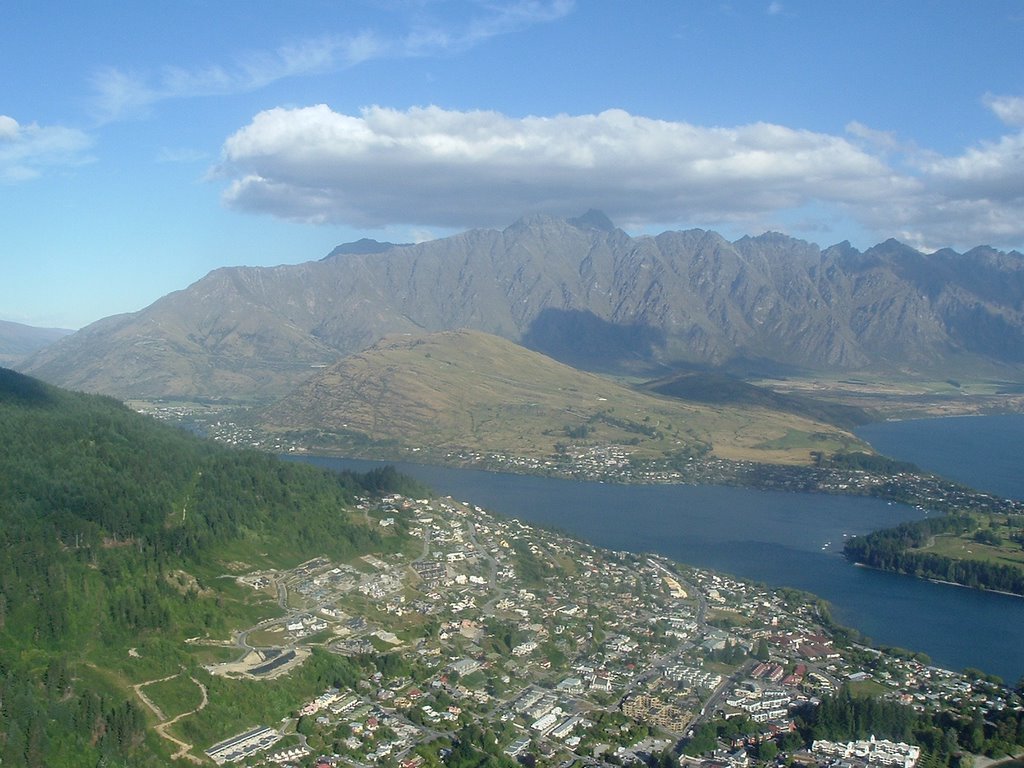
The townhugs the shores of Lake Wakatipu underneath the vertical rock walls of the Remarkables mountain chain. Like mountain resort towns everywhere, Queenstown is not a place for people to live. It is a place for people to spend money. The outer-most areas of town consist of ostentatious homes or huge-windowed condos. Slightly closer to the center are luxury hotels, which give way to trendy shops, restaurants, bars and clubs. In the midst of it all are advertisements and booking desks for just about any adventure activity you'd care to spend money on - skydiving, jet-boating, parasailing, bungy jumping, bungy jumping from much higher up, fly-by-wire, luging, plane tours, plane flying, whatever.
On New Year's Eve, also in the midst of it all were about 10,000 tourists booking out almost all the accommodation. However, the town or the local rugby club or someone graciously allows people to set up a tent on the local rugby field for a price. We had a tent, we had a place to stay. We walked around in brilliant sunshine, took a gondola to an peak above town, watched some cricket, and then settled in for midnight fireworks.
Waking up on New Year's Day, the sunshine was gone, replaced by grey clouds and drizzling rain. We packed up and headed west, bound for Fiordland.

Jan. 2

Te Anau to Milford Sound, and back

More rain, but it's hard to complain - parts of the area average more than an inch of rain a day.
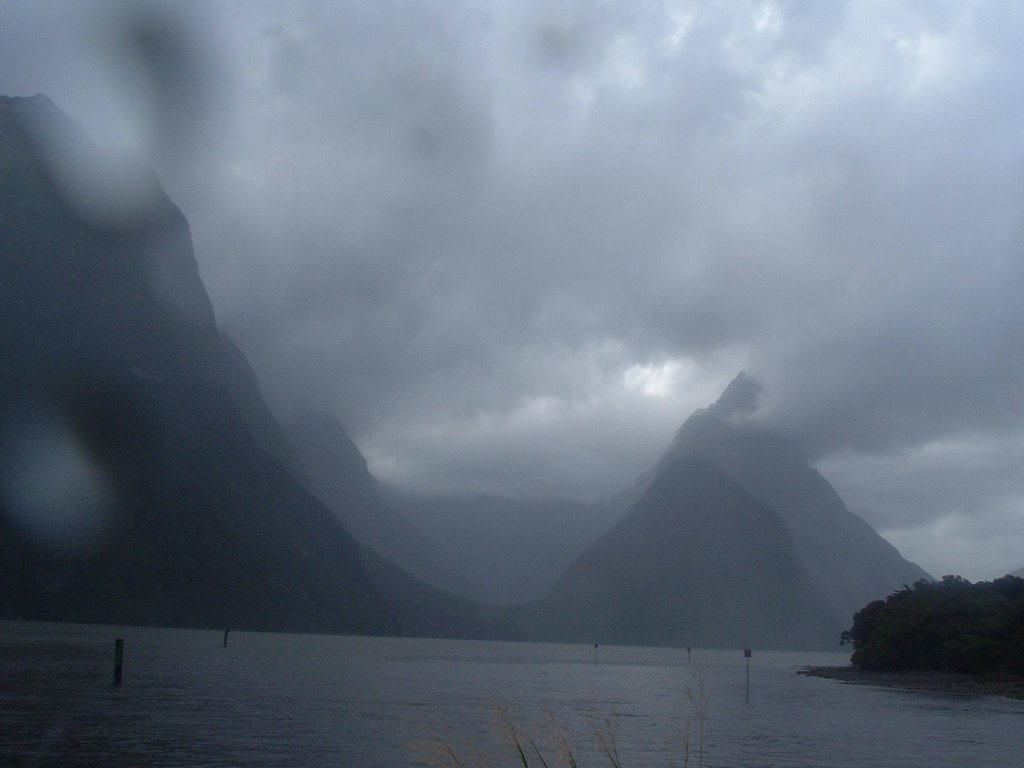
The 75-mile drive to Milford Sound is billed as one of the most scenic in the world, and it certainly has a lot to look out - following a mountain valley up until finally reaching the head of the valley, then driving through about a mile-long tunnel to get to the other side and a swift drop down to Milford Sound, one of several glacier-carved sea inlets, lined on all sides with sheer vertical natural walls.
The end of the road, Milford Sound's visitor centre, is one of the major tourist destinations of New Zealand, but it's somewhat of a letdown. Unless you're planning on taking one of the many cruises through the sound, it's the drive and the many walks along the way that make the journey memorable.
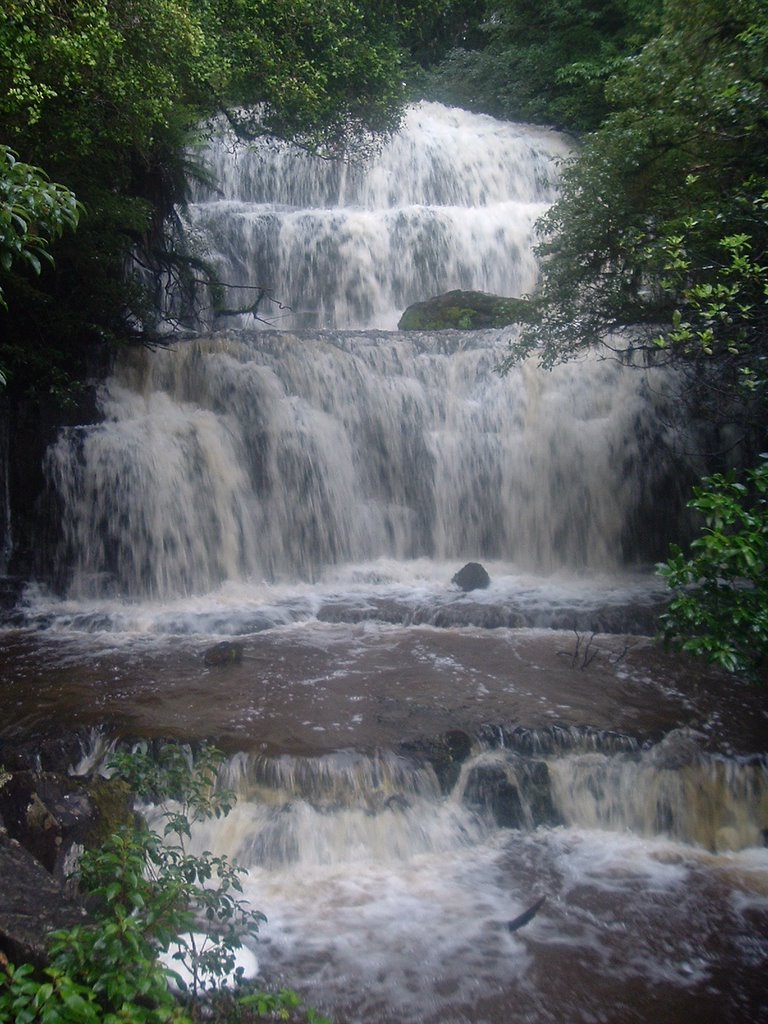
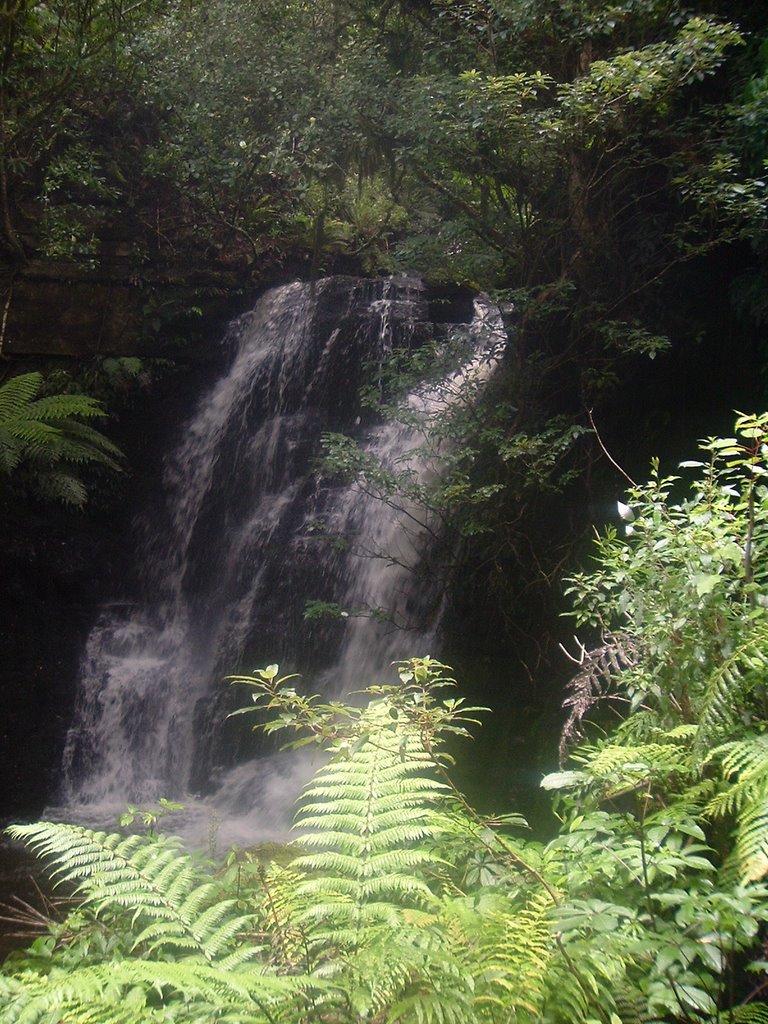
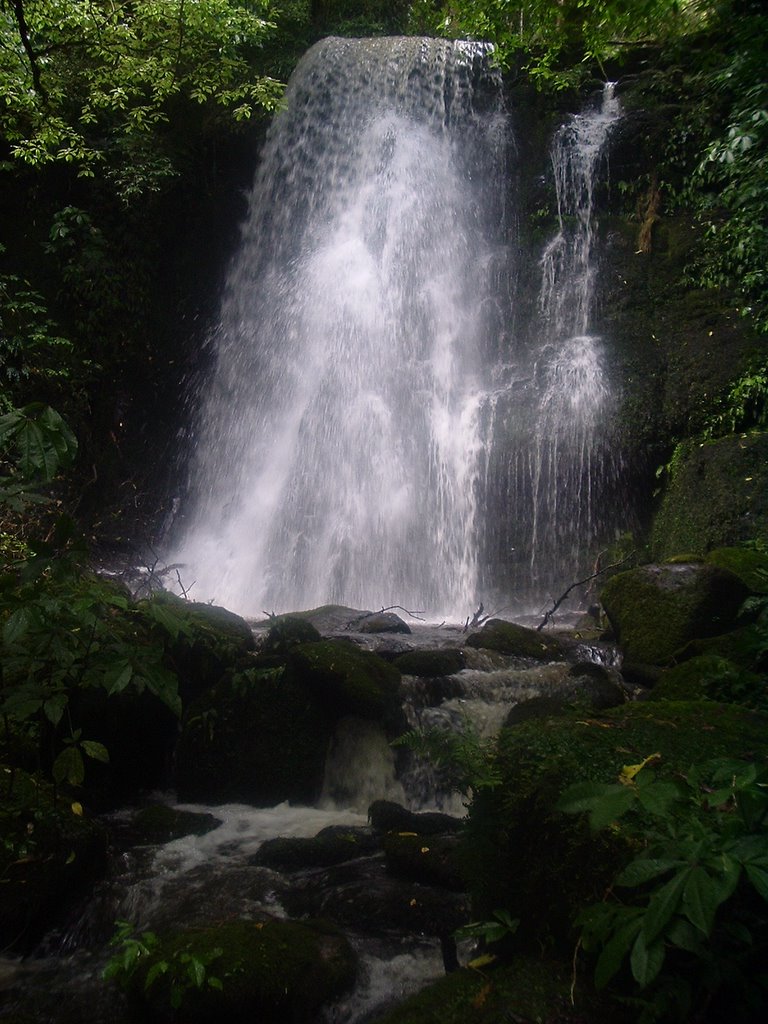
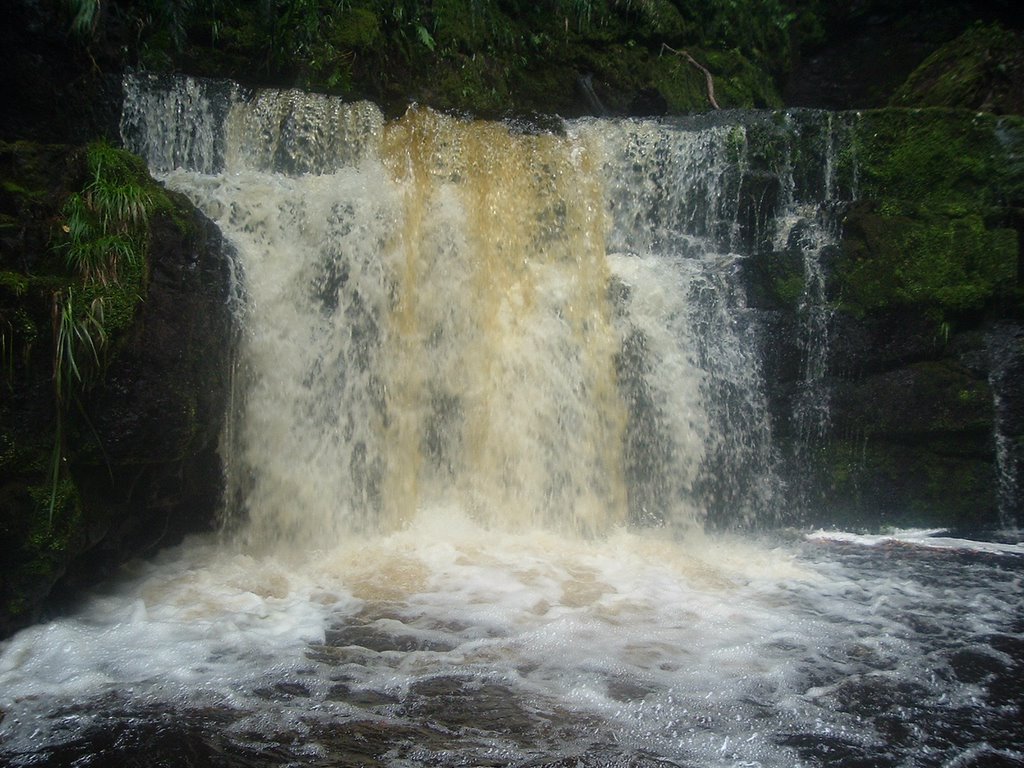
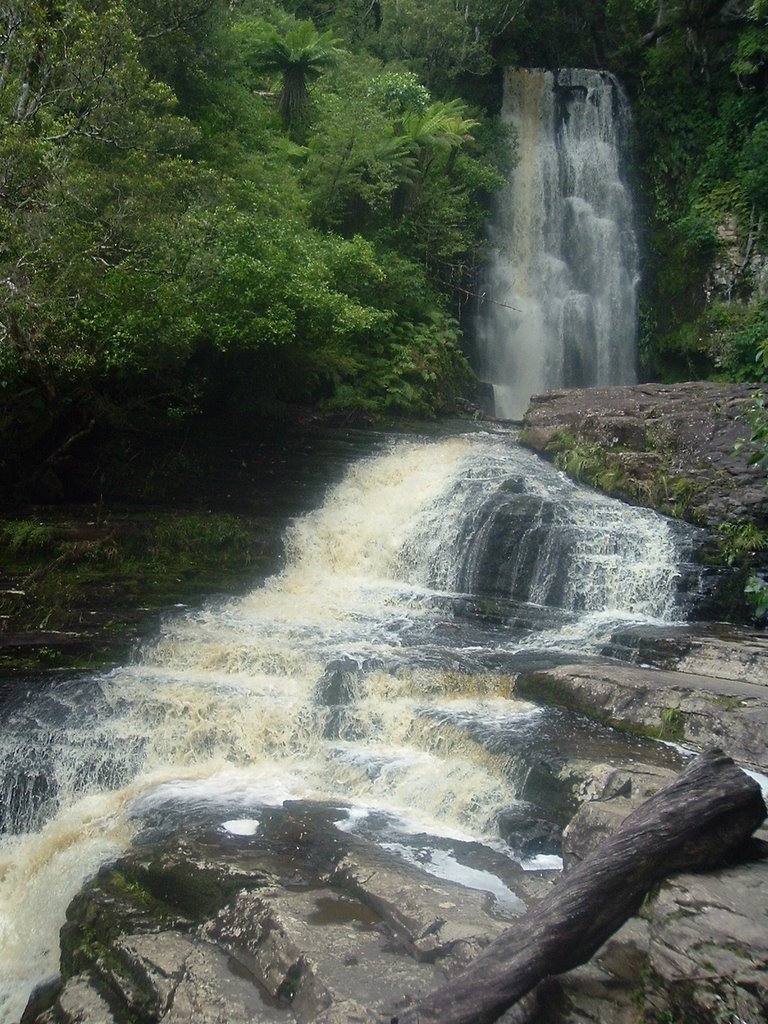
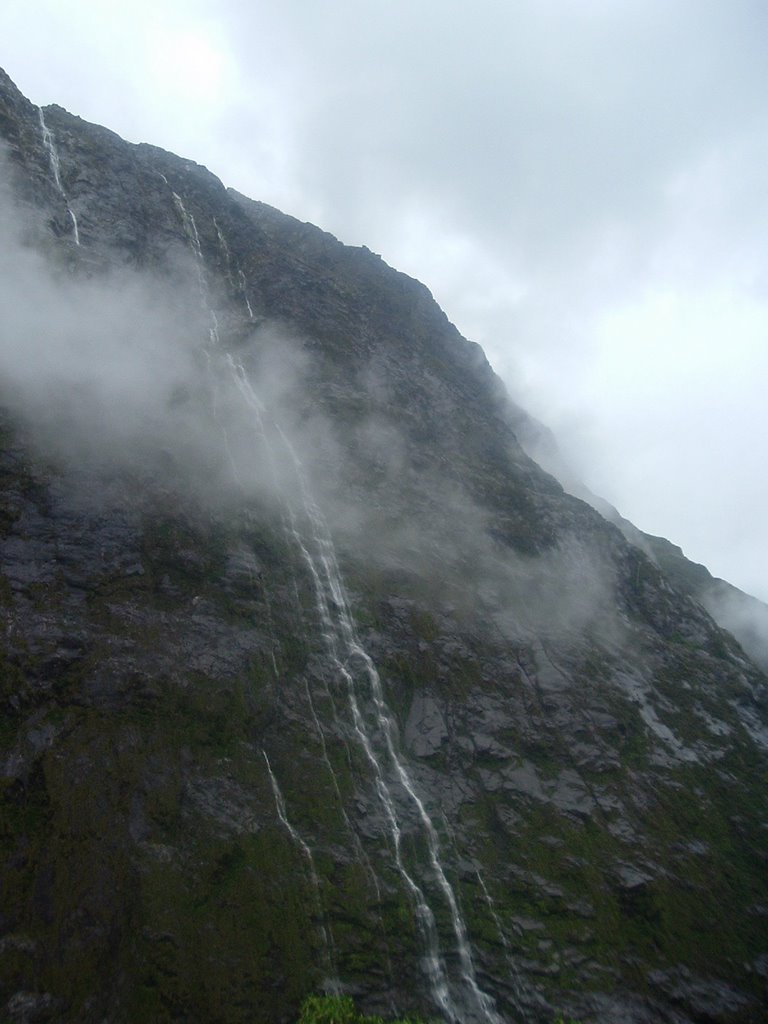
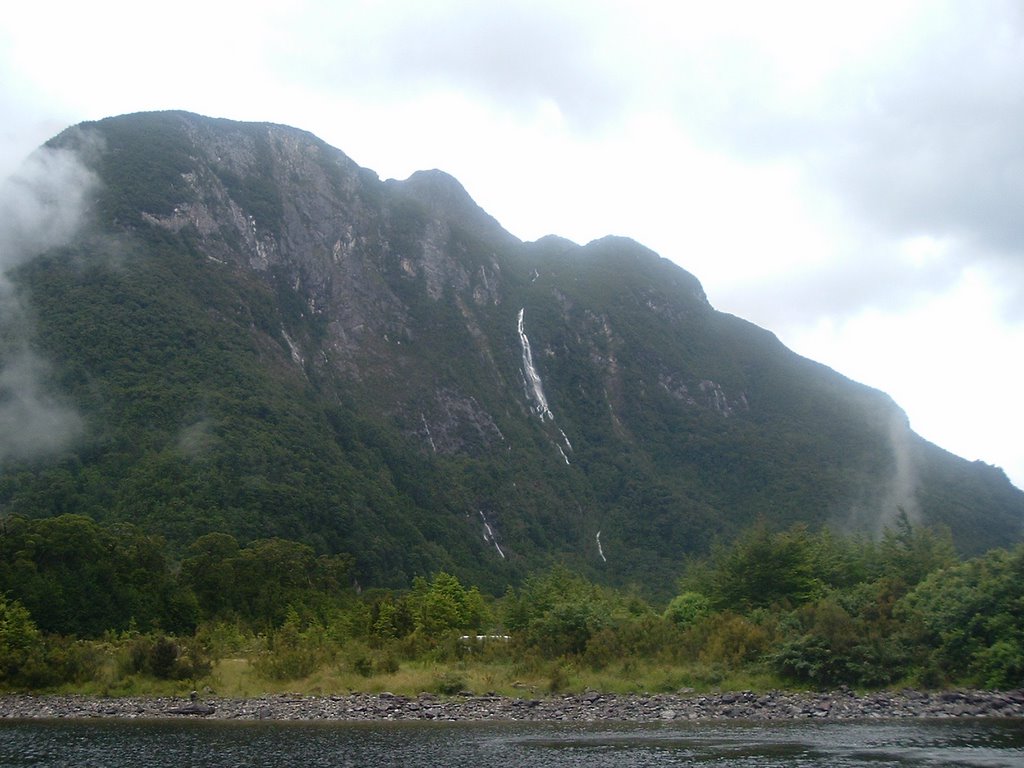
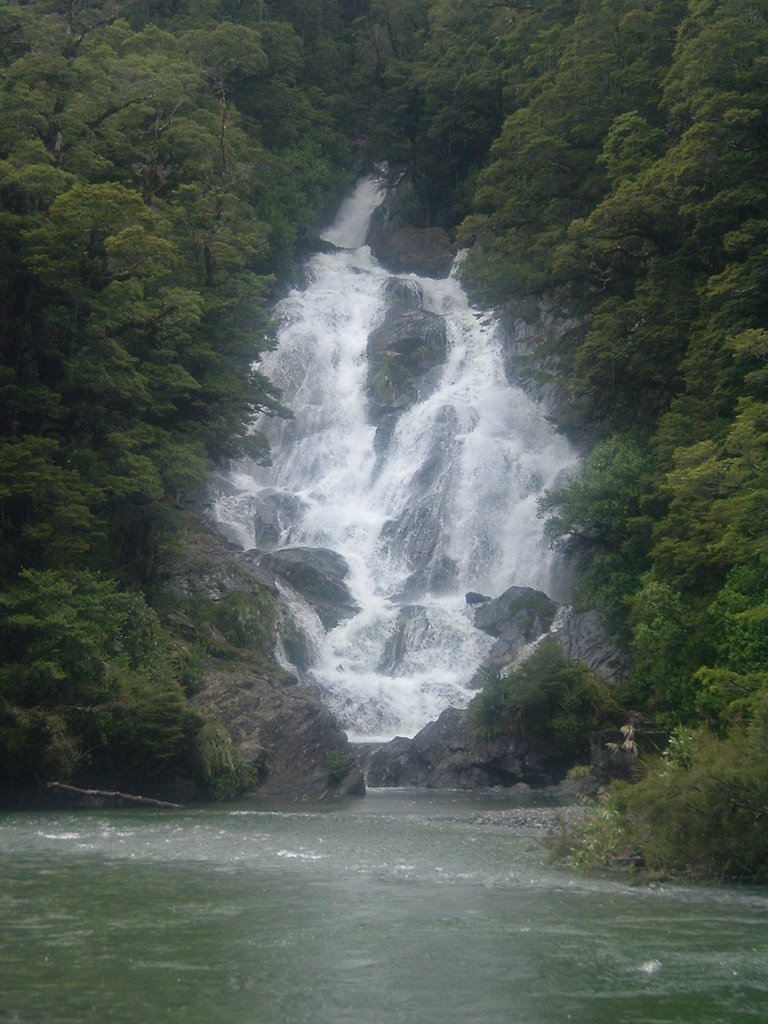
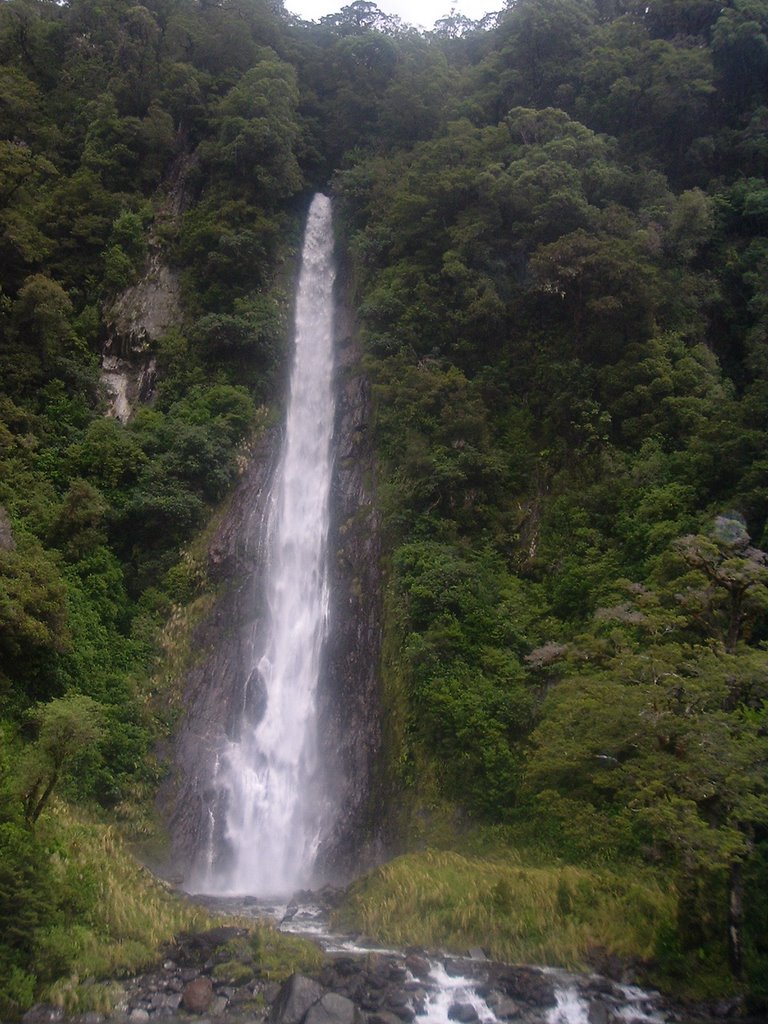
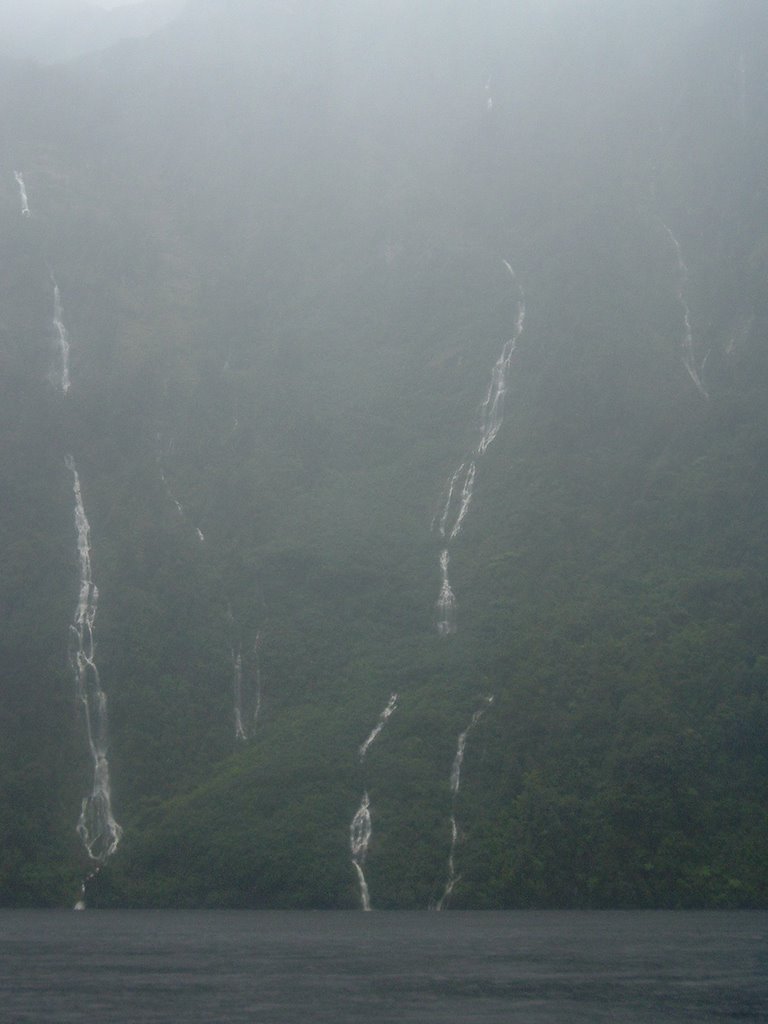
Everywhere you look in Fiordland there's a waterfall, especially if you're there when it's raining, as we are. We walked to several waterfalls, and lakes, and other points of interest - it took us nearly six hours to go from Te Anau to Milford Sound, and an hour and a half to get back.

Jan. 3

Kayaking Doubtful Sound, then Te Anau to Queenstown

This is the real reason we're here - a chance to kayak the fiords.
The day starts early - 7:30 a.m. check in. We take a short van ride from the office to a lake, then a 45-minute boat ride to the end of the lake, where a bus waits. There's a gravel track across the mountain pass dividing lake and sound, put in to service a hydroelectric plant.
After the bus winds its way down to the Sound, we transfer to another boat. A short ride out, and we drop kayaks into the water and get out.
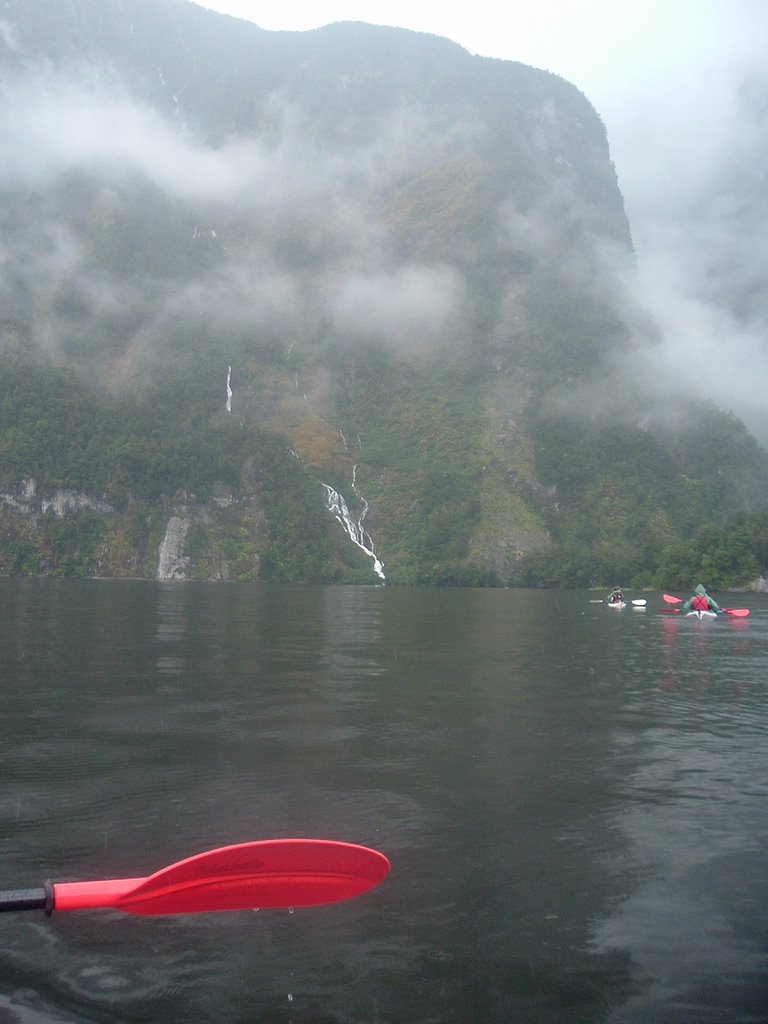
Again, the day is wet and cold and wet. The rain goes from light to heavy to light again, but it's always raining. We are provided with wet suits and three layers of rain gear for our exposed torsos, so the rain is easy enough to contend with once we are on the water.
Again, there are waterfalls everywhere you look. This water doesn't have a chance to wander to a stream bed to join with water from other areas. The water simply streams down off the cliffs, trying to get from summit to sea level as quickly as possible by falling down sheer rock.
The mountains get so much rain, trees grow on the bare rock, rooted in the thick carpet of ferns. As the trees grow, eventually they reach a weight which cannot be supported by the mat of vegetation, and they fall. Often, the fall creates an instability in the underlying mat which leads to surrounding trees losing their anchoring as well. An avalanche of vegetation results, creating bare paths along the green mountain side. Eventually, a few ferns attach themselves to the bare rock, and everything starts again.

More kayaking, then back on the boat, back on the bus, back to the lake and the next boat, back to the shuttle, back to the car. Wet day, but good day. Best scenery of a scenery-packed trip.

Jan. 4

Queenstown to Franz Josef Glacier village

A driving day. The route winds through mountain country before crossing the Southern Alps and suddenly finding the coast. Again, it's spectacular, but at this point we're a little bit desensitized to rock soaring upward. It is an amazing country, however, where you can be winding your way up along a mountain road, seeing nothing but up on one side and nothing but ocean on the other.

Jan. 5

Franz Josef Glacier to Greymouth, via Fox Glacier

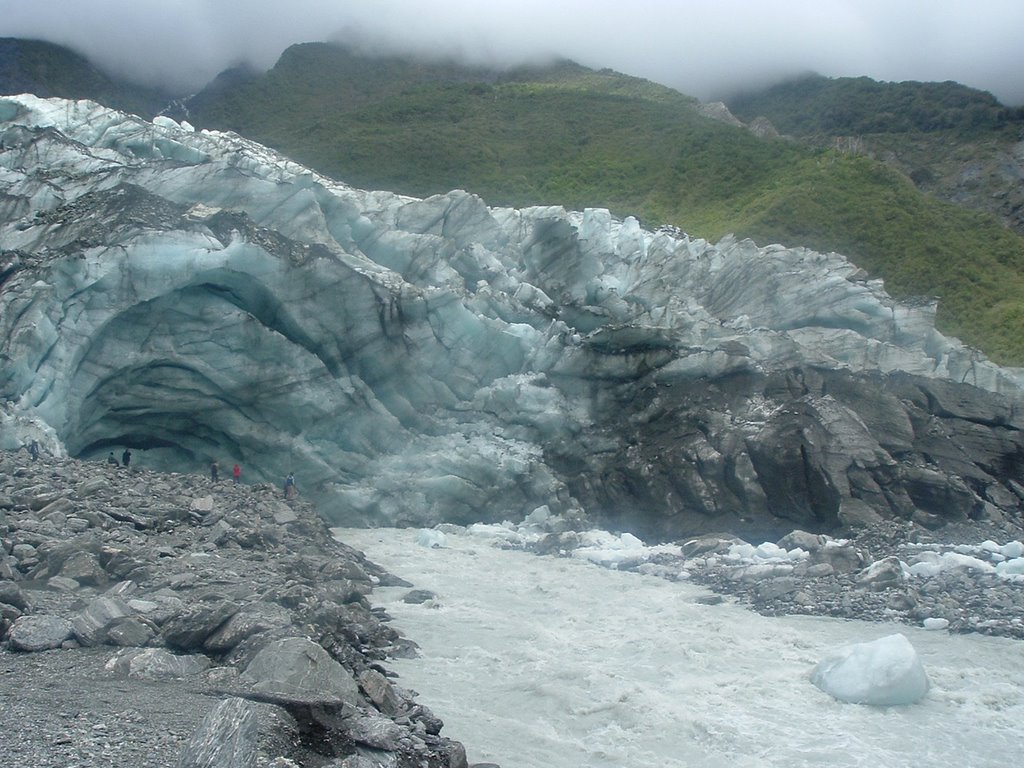
On the other side of Mt. Cook and its posse of nearby peaks, snow piles and compresses into ice, which snakes down mountain valleys. Two of the glaciers, Franz Josef and Fox, are in valleys narrow enough the ice makes its way down to the flat land at the base of the mountains.
We don't spend the money to walk on the glacier or in the ice caves, or to fly over the ice and the Alps. We do take the walks to the ice face of both.
It is odd to think of a giant block of ice as a moving stream, and they say these glaciers are advancing at the rate of about a meter a week, and can move as fast as a meter a day.
It's also odd to see the ice face - the glaciers don't gradually give way to rock, they suddenly stop. Walking up to them, you follow a wide, rocky valley floor interrupted by streams of water. Suddenly, the rock gives way to an ice wall 20 or 30 feet high.
Both are impressive, but on this day Fox Glacier is the more interesting of the two. The approach to Fox is in a narrow valley, with ice-scraped rock walls on both sides, from the centuries before when the ice made a strong advance.
Then, there is an hour-long walk along the side of the valley to the ice. A rope is up about 100 feet from the ice, warning people of falling ice, but most visitors ignore the warnings and the rope and walk up to where a strong flow of water comes out from below the ice, carrying away blocks of ice and the water that has finally regained its liquid form.

We head north, and decide to stop in Greymouth. Another nondescript town, it is the second town on our trip for which a slogan immediately springs to mind.
"Greymouth. Better than Invercargill."

Jan. 6

Greymouth to Nelson, via Punakaiki

Pancake RocksContinuing our rapid movement up the west coast, we (again) spent most of the day in the car, with a long stop at Punakaiki, home of the pancake rocks.
The rocks have, as the name implies, thin layers which look like they are stacked on top of each other. They have also been well-worn by the sea. In places, waves have carved out caverns at the bottom of the rocks, and eventually worn through the ceiling of the cavern as well, creating a spray up through the rock during high tide.

We drove further along the coast, stopping to see a seal colony, before heading back inland to get to Nelson. There we were meeting our former German roommates, who had just left Wellington (and our apartment) to start their own South Island trip.

Jan. 7-8

Nelson to Golden Bay to Nelson, then to Wellington

The four of us (Kirsten, me and the Germans) drove Northwest, toward Golden Bay. Most of the day was spent driving along another winding road over a mountain pass, along with a side trip down a long rough gravel road for a walk to the largest holes - dropping into a cave system - in New Zealand.
We couldn't actually get close enough to see much of the hole, but we could tell it was there.
Golden Bay we could see, and it was Golden - we picked up a pizza to eat on the beach at sunset. Essentially it was the end of the trip, and a good one.
However, Kirsten and I had to drive the two hours back to Nelson. On Sunday we woke up and drove another couple of hours to Picton, and rode back on the ferry.

We're back in Wellington for a few more months, although we're trying to squeeze in more long weekend trips. We're also trying to figure out our plan for the rest of our time here and possibly more global travel before returning to the States and trying to resurrect our careers.
I'll keep you posted.

Wednesday, January 11, 2006

December 21

Wellington to Picton

Riding the ferry is less like traveling on an airplane than traveling in a moving airport.
The Interislander ferries, the boats of the largest company transporting people and their cars between New Zealand's North and South Island, offer a number of in-route entertainment. There's a bar, a restaurant, food court, kids' play area, cinema (although our boat, being new, did not yet have an operable cinema) and several different seating areas, with or without TVs or a view. Also an outside walkway on the boats' seventh story, to experience the weather, see the water, see the land slide by as the boat navigates the channel near Wellington or Picton.
The sun set as we pulled out of Wellington, so there wasn't much of a view for most of the trip. Also not much to do, once you've walked around the various compartments on the boat. So, like an airport, settle in with the newspaper and any other reading material you've remembered to bring.
The boat wasn't particularly full, not like it would be on our return trip, but the beginning of the holiday crush did lead to delays. Our departure was slightly late, but on arrival we were put in the marine equivalent of a holding pattern, waiting for the even later night boat going South to North to depart the berth our South-bound boat needed. An hour later, well after midnight, we set foot (actually, rubber - we were in a borrowed car for the trip) on the South Island for the first time.

Dec. 22

Picton to Christchurch, via Kaikoura

I'm so far from home I may as well be back again.
The landscape here is different from the nearly uniformly lush, green, rolling hills of the North Island.
Here shades of browns and yellows cling to the hills, dry grasses actually showing patches of dirt. Trees are few, and the air has a smell I remember from summers growing up in Montana - the smell of heat, carrying dust and the essence of dried plants.
Unlike home, the hills lead to the bright-blue ocean and long, sweeping beaches. In Kaikoura, famous for whale-watching, we don't see whales. I do, however, eat a whale-sized portion of seafood - what the Kiwis call crayfish (rock lobster), mussels, chowder. This is one of the beauties of living on an island.

Little time is actually spent in Christchurch, which has a very European-feeling city center, around the cathedral for which I assume the town is named, but has a very generic, almost American midwest, feel more than a few blocks away from the church: Big-box retail stores lining a multi-lane road.

We stay up too late after meeting and drinking with fellow tourists in a pub. On the road we tend to meet people, usually other travelers, in the bars. In Wellington, which has just as many tourists, we don't. Part of it, of course, is that we have our own companions when out in Wellington. But not always. Perhaps when we're not traveling ourselves, we're blinded to the other tourists. Or something.

Dec. 23

Christchurch to Lake Tekapo, via Geraldine

Another Montana connection - one of the few towns I know of worldwide that share a name with my hometown.
I know of three Geraldines, anywhere - Montana, New Zealand and Alabama. I honestly can't remember if I've ever been to Geraldine, Alabama, but I'm guessing I haven't.
New Zealand's version is the biggest of the three, with its 2,300 people, and probably the nicest-looking, with green park space and flowers growing everywhere. Other than that, there isn't much to say about Geraldine, which I think is a characteristic all three share.

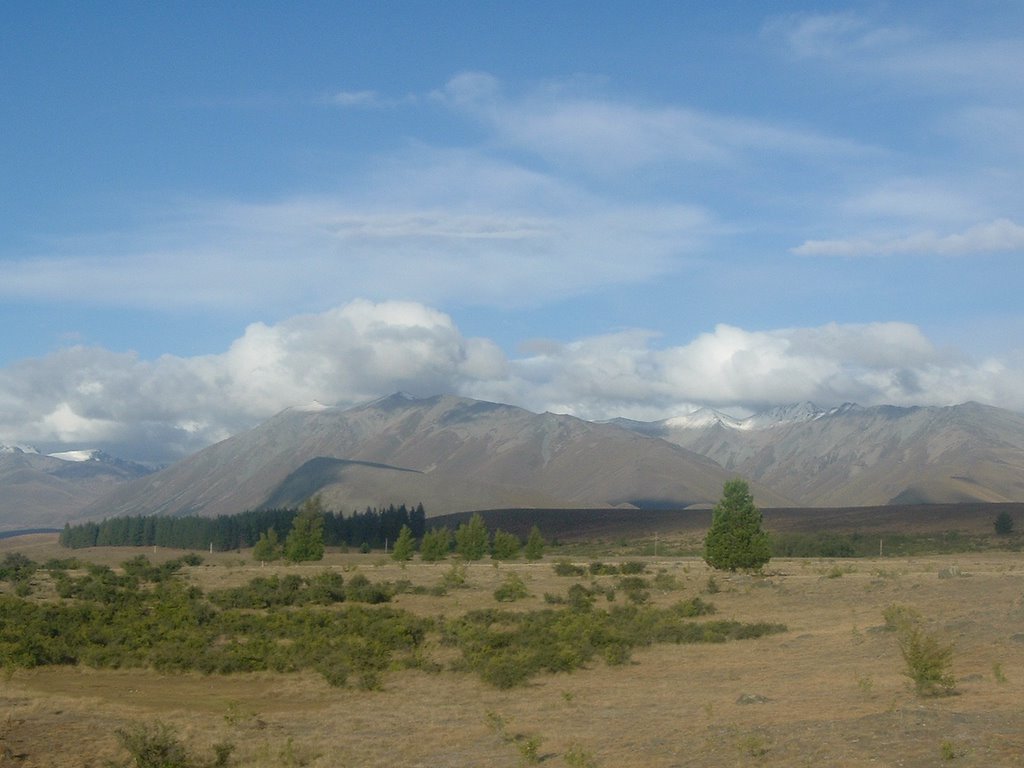
We head inland, toward the mountains. We get our first real view of the Southern Alps from a hill overlooking Lake Tekapo, where one of the universities has set up an observatory, and where we watch the sun set over the mountains. They may not be among the tallest in the world, but New Zealand's mountains can rival just about anybody's for sheer vertical rise out of a flat landscape.

Dec. 24

Lake Tekapo to Dunedin, via Mt. Cook


It's not quite the holiday yet, and I don't quite touch it, but it's very nearly a White Christmas (Eve), or at least as close as you get here.
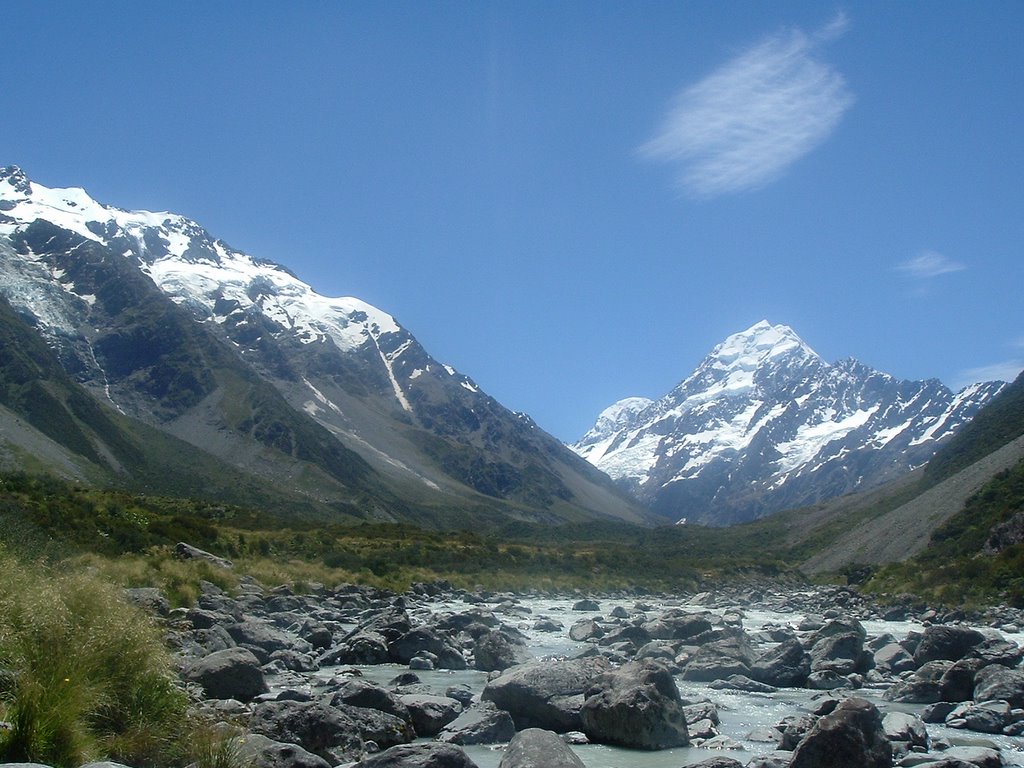
The day is bright and sunny, the plants brilliant green, a perfect day to be in the mountains. We walk toward New Zealand's tallest peak along an old glacier valley, far below a glacier clinging to the side of a sheer rock face topped with jagged peaks and a large snow shelf, parts of which fall off intermittently throughout the day, sending a low rumble through the valley which would be mistaken for thunder if there were any clouds in the sky.
After the second crossing of a river which provides drainage for the glacier and snow melt off Mt. Cook and it's neighbors, again on a swinging bridge, we turn a corner around another, smaller ridge and look straight up the valley to Mt. Cook. It's an impressive sight, and one of the few times I've seen the top of a mountain in NZ without waiting for it to peek through the clouds first.

Further south, Dunedin (the country's foremost university town) feels a little bit more like Christmas, because it feels considerably colder after the sun goes down. Kirsten and I decide to give in to the holiday, and attend a candlelight carol service in the center of town. Most of the carols are familiar, even if occasionally the tune is not. It's fitting for a summer Christmas - the holiday is familiar, even if the setting is not.

Dec. 25

Dunedin, via the south-bound highway out of Dunedin

The car we've borrowed has been making some non-comforting sounds in occasionally braking situations. Metal-on-metal sounds make people nervous. Everything is closed for Christmas - seriously, it's hard to find a gas station open. We decide to press on South and get things looked in a few days, when things open back up, but we make a poor map-reading decision to take a shortcut and end up trying to climb straight up a hill on a gravel road with what is essentially a Geo Metro. We make the top, just as the radiator decides to show it's displeasure with our navigation by sending it's contents out in a plume of white steam.
After letting things cool off, we decide it might be a decent idea to stay an extra day in Dunedin. Since the weather is generally poor - pissing down rain - it's an easy decision to make. Also a good one - at this point on the road, we could use a day to do nothing. Which is just what we do.
At least until late afternoon, when we head out to see a bird colony on the outskirts of Dunedin. The town claims the only mainland albatross colony in the world, but access to the colony is locked (it's Christmas - everything is closed). We watch a thousand sea gulls fly and roost on and around a rock cliff.
The weather gets poorer - more rain, far more wind, less heat. After taking refuge in the car, we decide to act the idiot tourists and step out again. Apparently, the poorer the weather is, the happier the albatross(es?) are. They need the wind to get airborne, and we watch a few of the birds - they look like sea gulls on steroids, with nearly 10-foot wingspans - glide over the sea before giving up and heading back to the hostel to resume our previous activity of doing nothing. Dunedin looks like a ghost town - we find two deserted Chinese restaurants open.

Dec. 26

Dunedin to Surat Bay

Boxing Day, another paid public holiday here, and the streets couldn't look more different. The sidewalks and shops are packed this morning, as apparently a city full of shoppers popped into existence when the sun came up this morning.
We're getting out of town, though, chancing our car's ability to get us through the southeastern part of NZ, known as the Catlins.
It's an area that's slightly off the main tourist path, but is packed with things to see. Mostly more of the same - beaches, forests, cliffs, waterfalls, birds and sealife - but more of the same in New Zealand is usually pretty good, and there's always endless variations on the theme.
The main difference in the Catlins is that all of the stops seem to be at the end of long gravel roads. This is the peak tourist season, and all of the parking lots are packed. At the more well-known sights, that means there are as many as half-a-dozen cars to contend with.
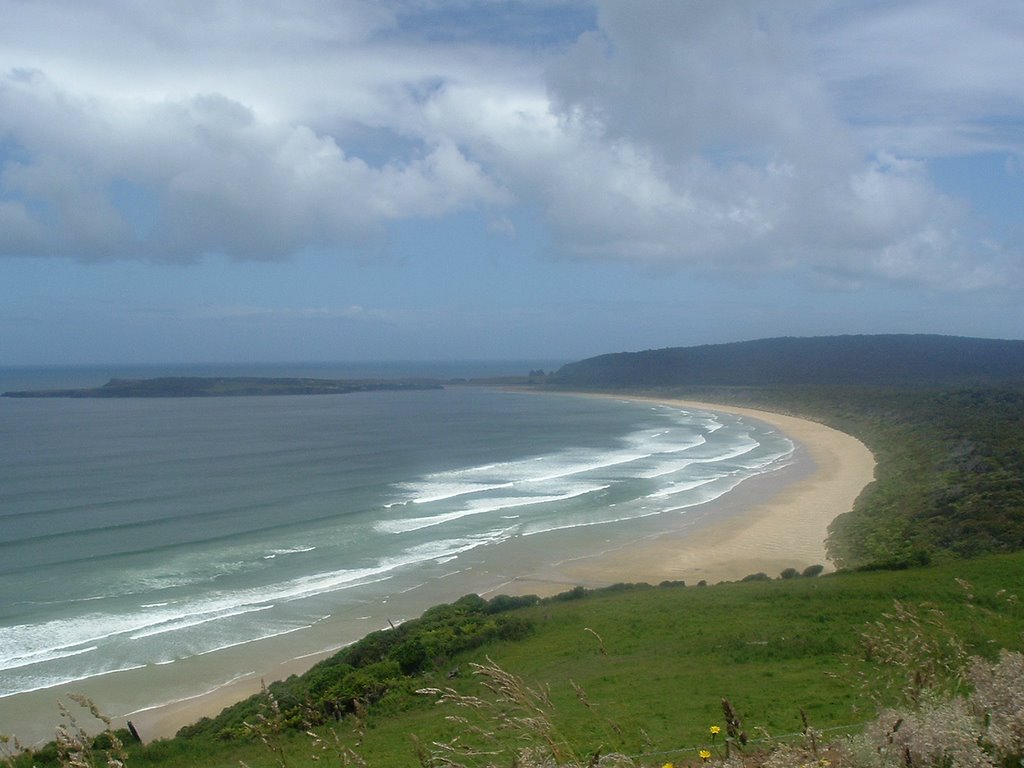
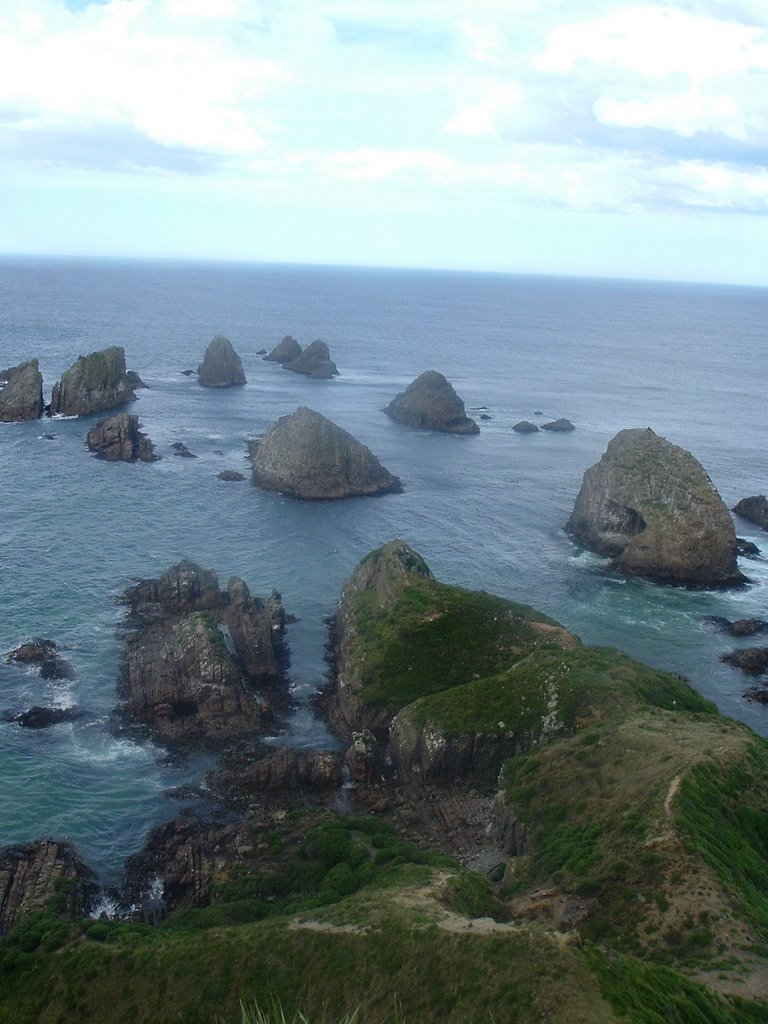
Our main stop is a spot known as Nugget Point, a ridge jutting out into the ocean, topped by a lighthouse. Just past the end of the ridge, where the land drops into the ocean, a series of rocks poke out of the water - the nuggets.
The view is worth it - it's hard to get tired of the abrupt transition from water to land you often get in New Zealand. Even when there is a gentle beach, the hills aren't far behind.
On the other side of the ridge, set back from the lighthouse, there is one of those beaches, tucked under a steep hill, providing just a sliver of transition from land to sea. Here there is a small hut, providing stealth for us and comfort for the penguins who land on the beach and have nests on the hill. Rather shy, the yellow-eyed penguins apparently won't land to feed the chicks if they see much movement on the bank. The hut, however, gives us a vantage point to watch the penguins as they come ashore to feed newly-hatched chicks.
Penguins are a breed I've never seen before outside of a small aquarium enclosure. As always, the birds' odd walk provides humor, especially as they clamber up the hillside. But it is a striking sight to watch the black-and-white birds, looking more animal than bird-like, and to human eyes somehow giving off an air of knowledge, walking out silhouetted again the sand before disappearing into the waves.

Sunday, January 08, 2006

I'm back, sort of

Back from the trip - 3,900 kilometers of South Island action (about 2,400 miles) down the west coast, along the south coast, up the west coast. Lots of mountains, beaches and rain. However, full dispatches from the trip await the return of my laptop and a better internet connection.